
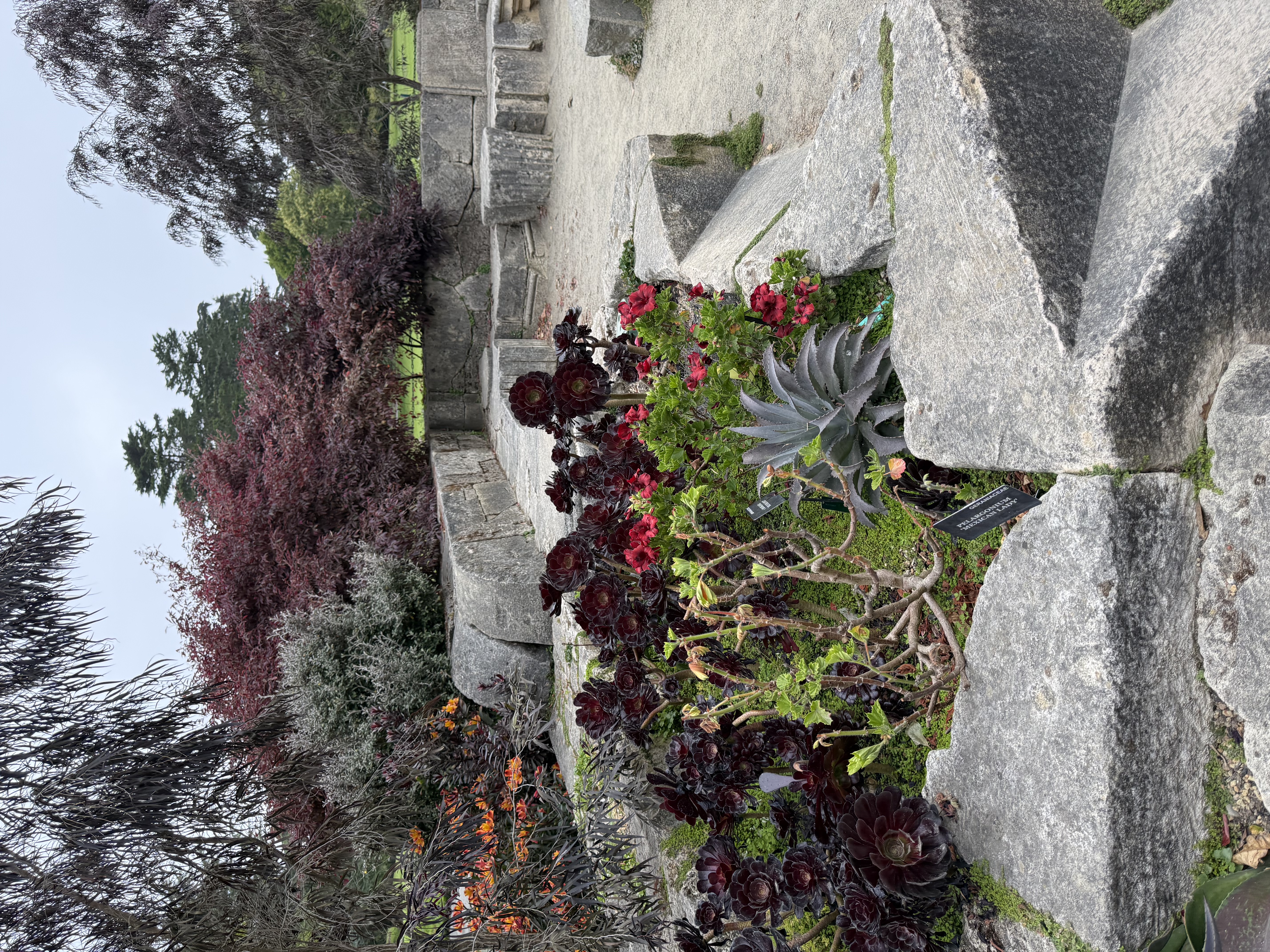
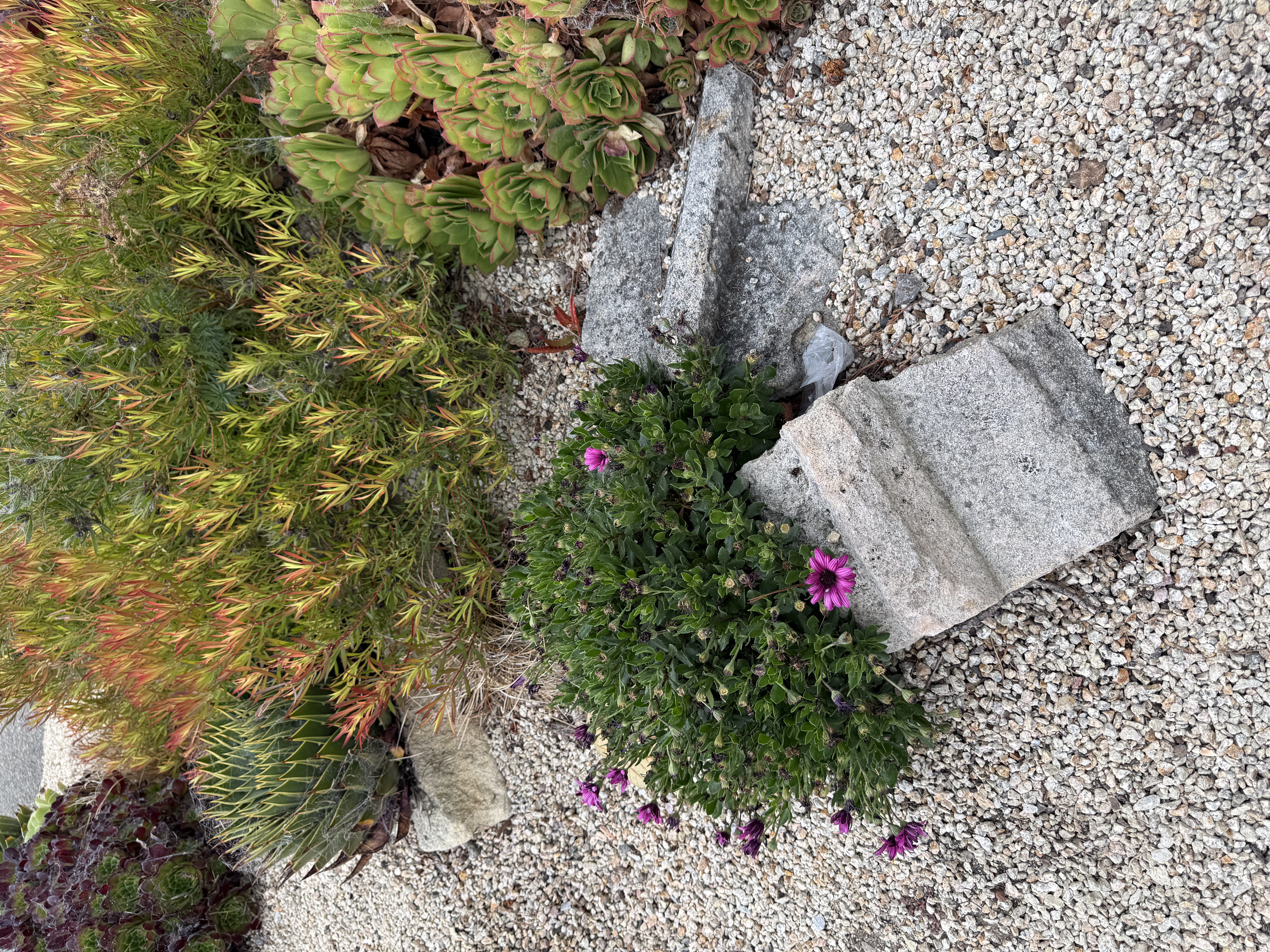
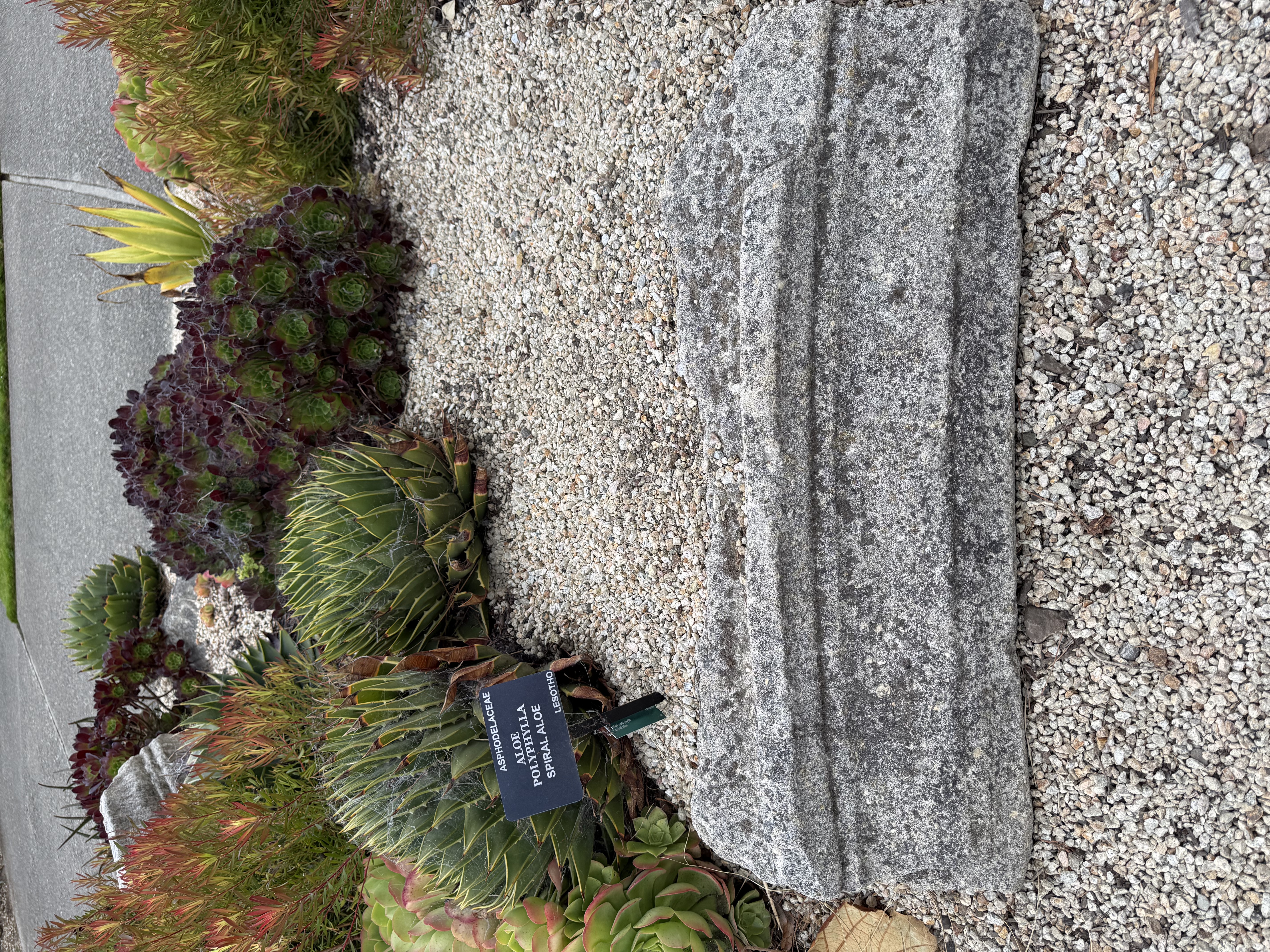
I was in the Bay Area last week catching up with familiar places, and discovering some new ones too. Immediately upon arriving at the southern entrance to the San Francisco Botanical Garden (free admission before 9 a.m.!), I was struck by some dark, richly colored planting among broken stonework.
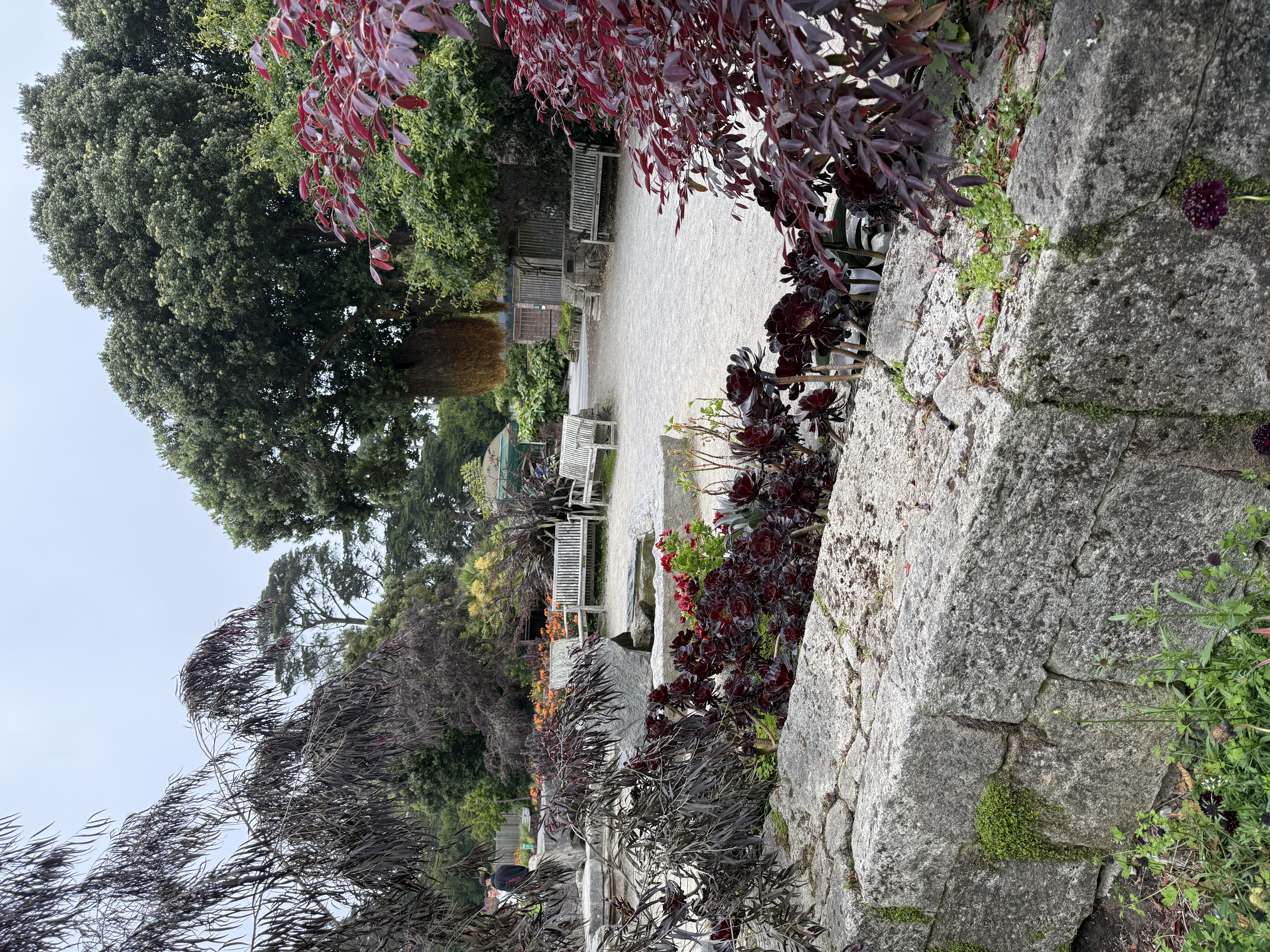
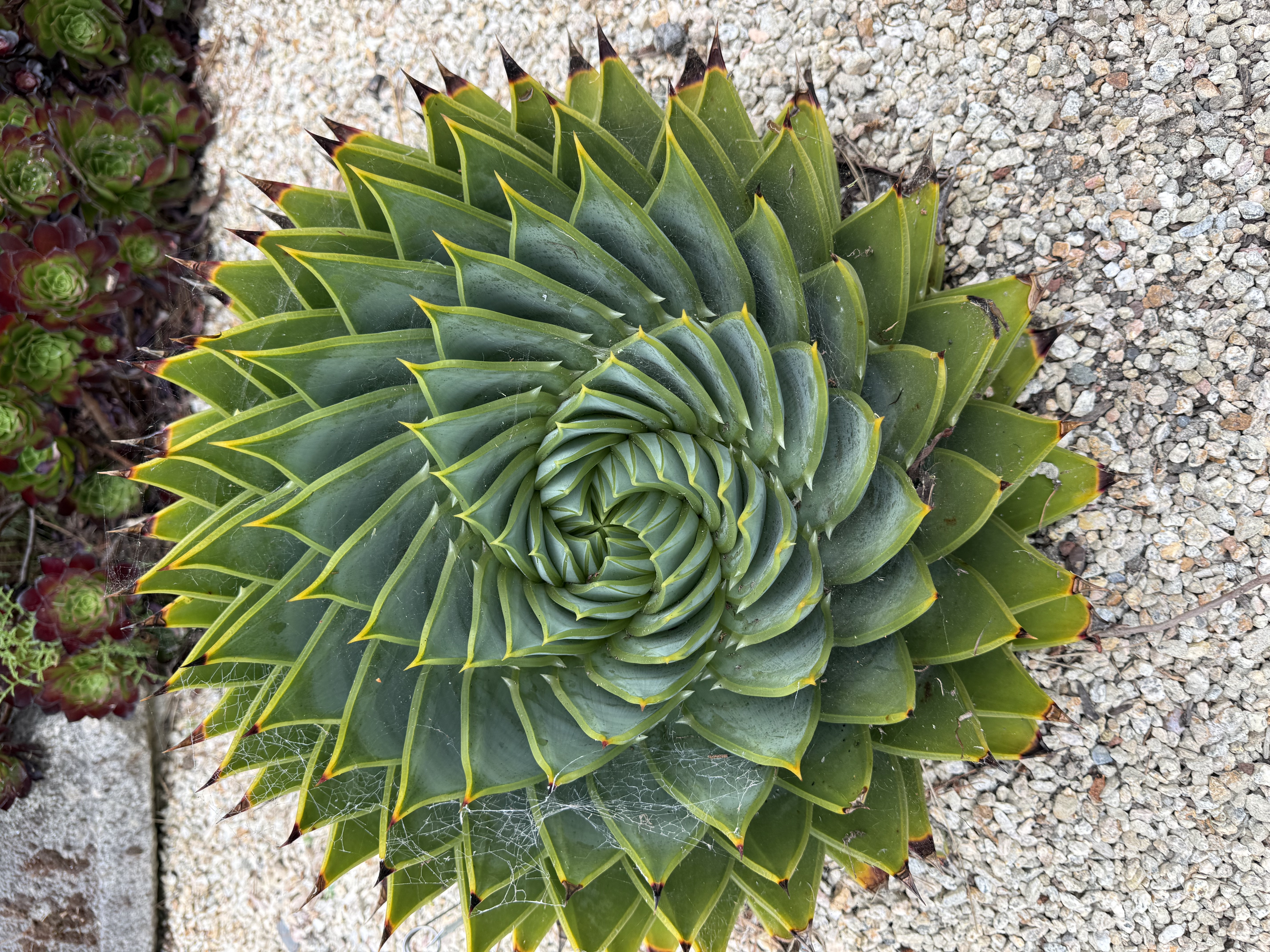
The allure of this little garden of ancient stone and dark-leaved plants and flowers held my interest longer than my companions were willing to wait, and they drifted off as I took time to absorb this small but strongly atmospheric space.

There is a small plaque that briefly explains how these stones from a Spanish monastery ended up in this garden. It’s quite a story. We start with a very wealthy, antiquities-obsessed collector, newspaper magnate William Randolph Hearst (aka Citizen Kane). In 1931 he purchased portions of the 12th century monastery Santa Maria de Ovila with the intention to reuse the stones at a Northern California estate. The Spanish government had confiscated the monastery in 1835 and later sold it on for peanuts to a banker, who sold the Chapter House to Hearst.
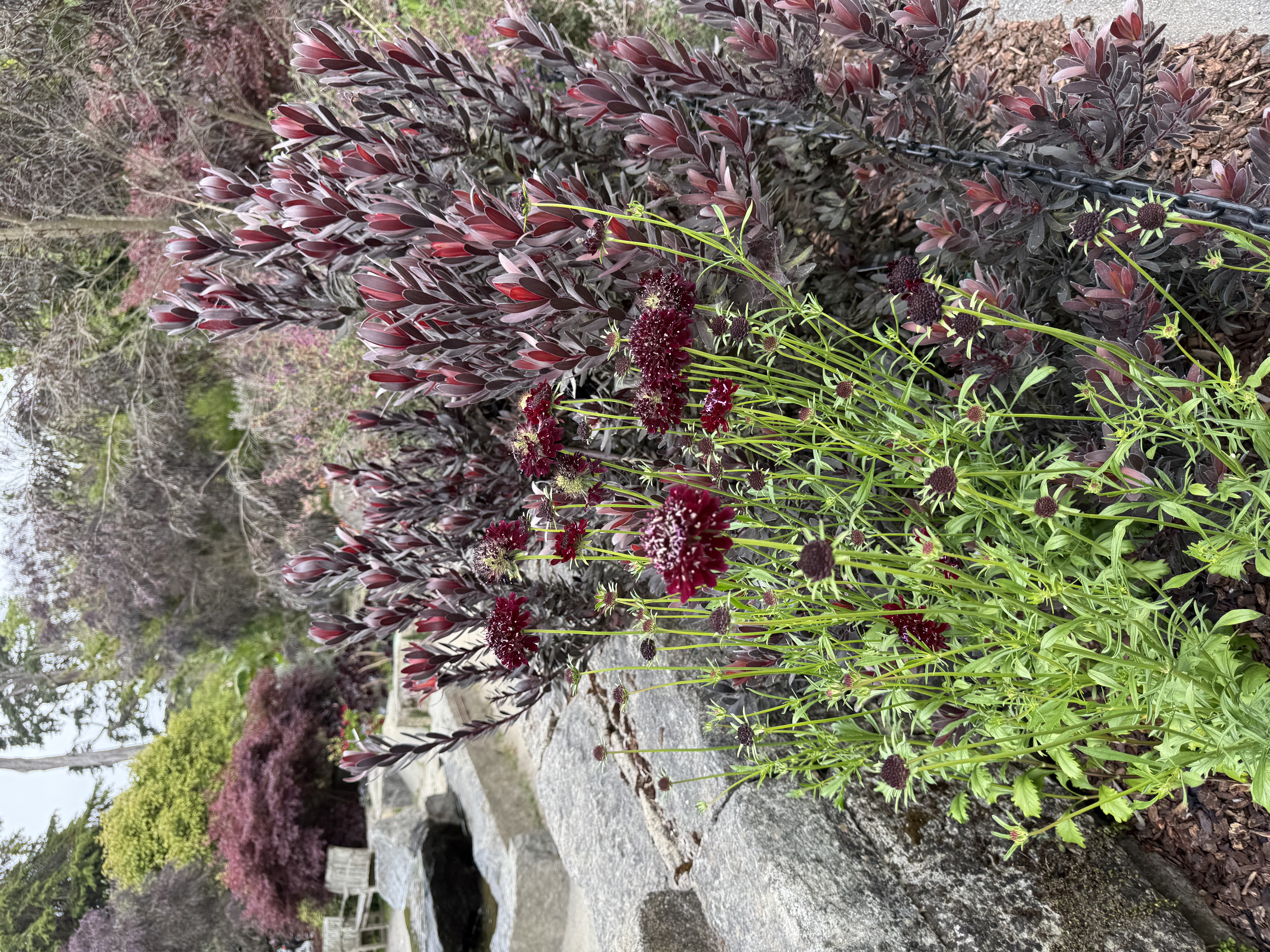
Despite a ban on exporting historical artifacts, Hearst proceeded to build the necessary infrastructure of road and rail to eventually transport the stones on a fleet of 11 ships to a San Francisco warehouse. Later in 1931, after Hearst had acquired approximately 10,000 stones, what remained of the monastery was declared a National Monument of Spain and thus foreclosed to further pillaging.

Then the Great Depression ruthlessly rearranged wealth and livelihoods. Hearst ended up relatively broke and abandoned the project. Eventually, warehouse storage fees owed to SF were forgiven in exchange for the stones, which were then kept in Golden Gate Park. A plan to use them in some sort of folly in the park failed to secure financing.

After decades of storage, with multiple grand plans contemplated and abandoned, in the 1960s the stones found a modest new life in a few places in the botanical garden, including the one that snared my attention, the Library Terrace Garden.
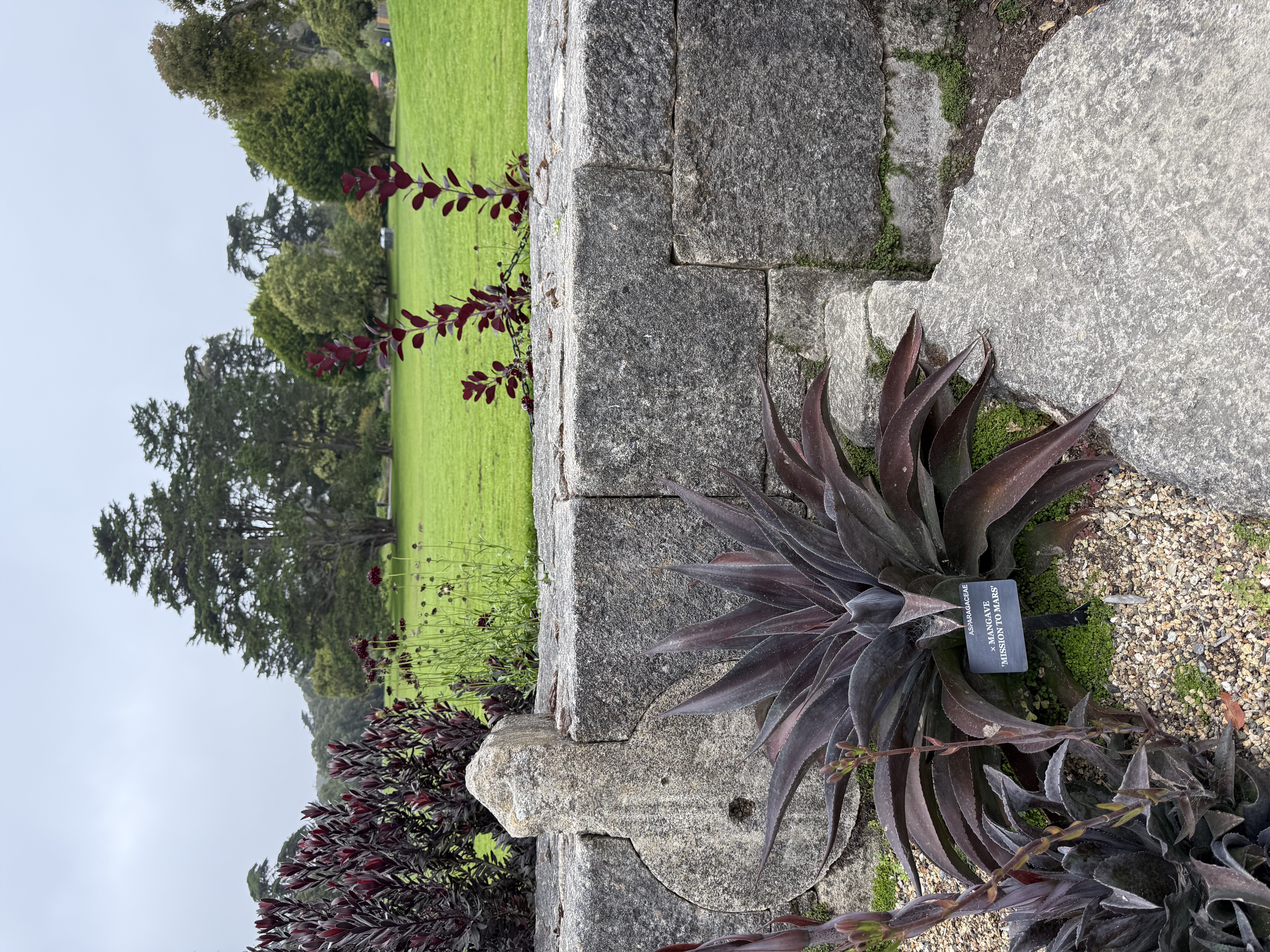
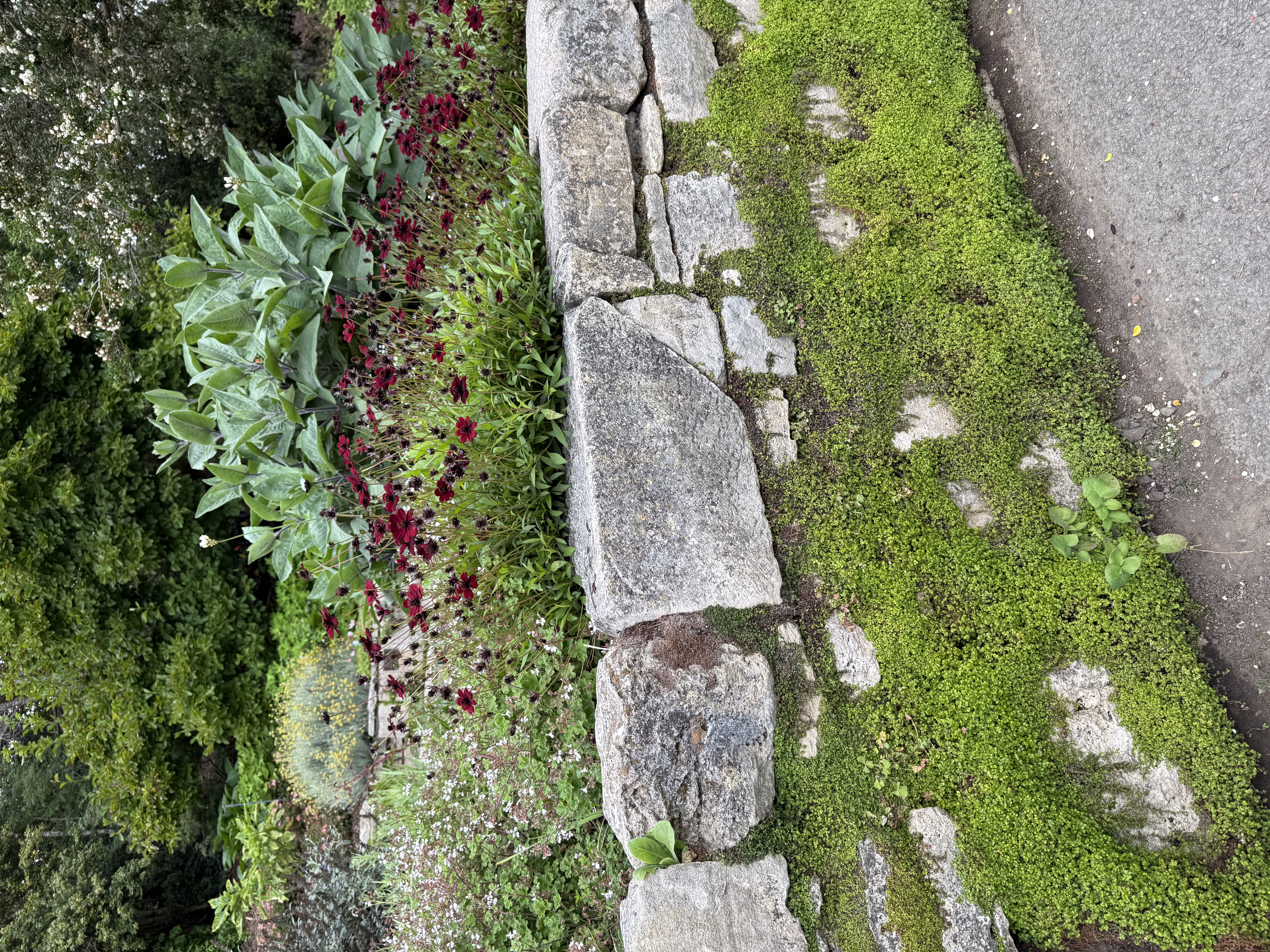
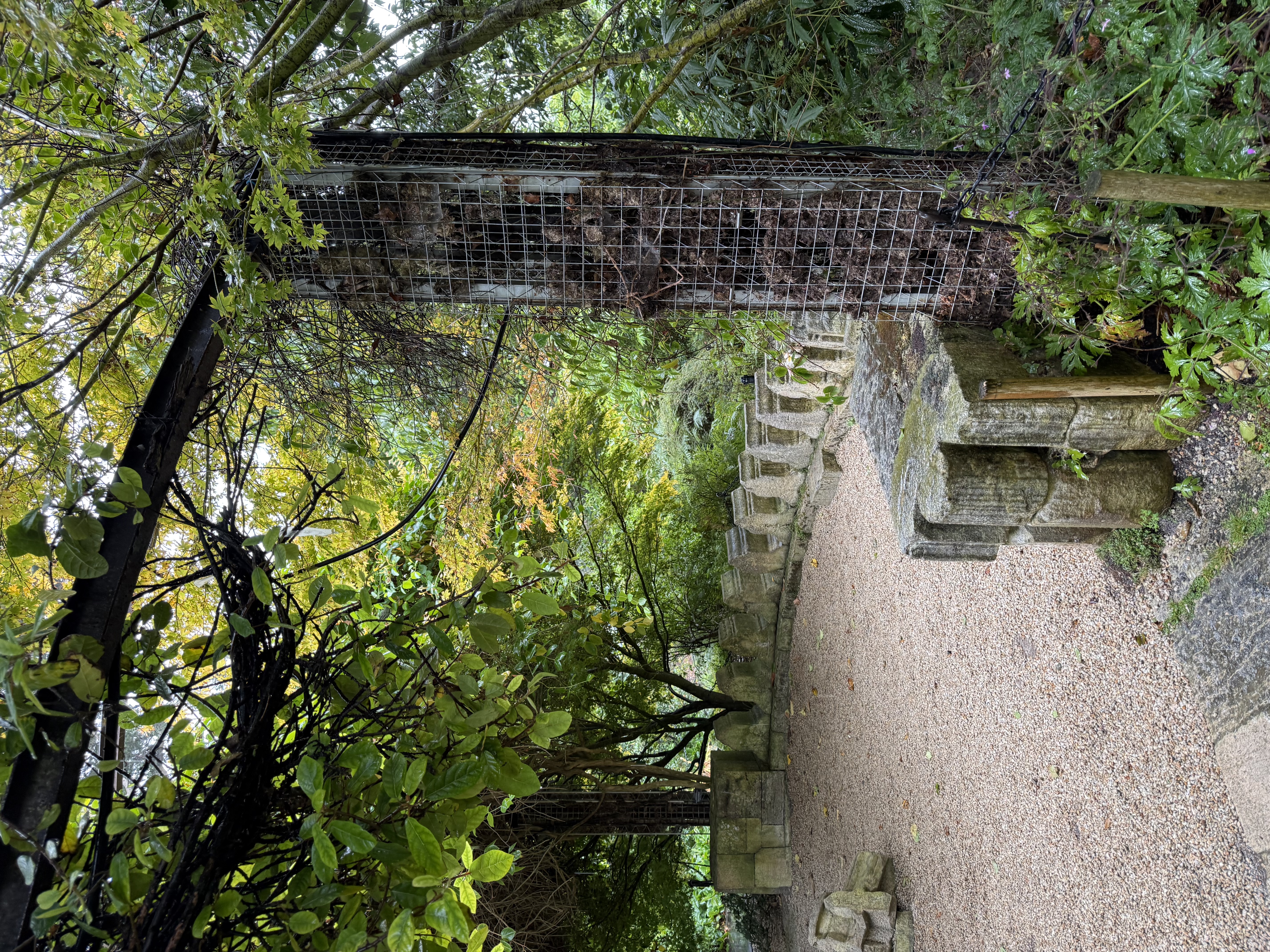
After studying the perimeter plantings for a while, it was time to explore the enclosed space protected by the low retaining walls of Spanish limestone.
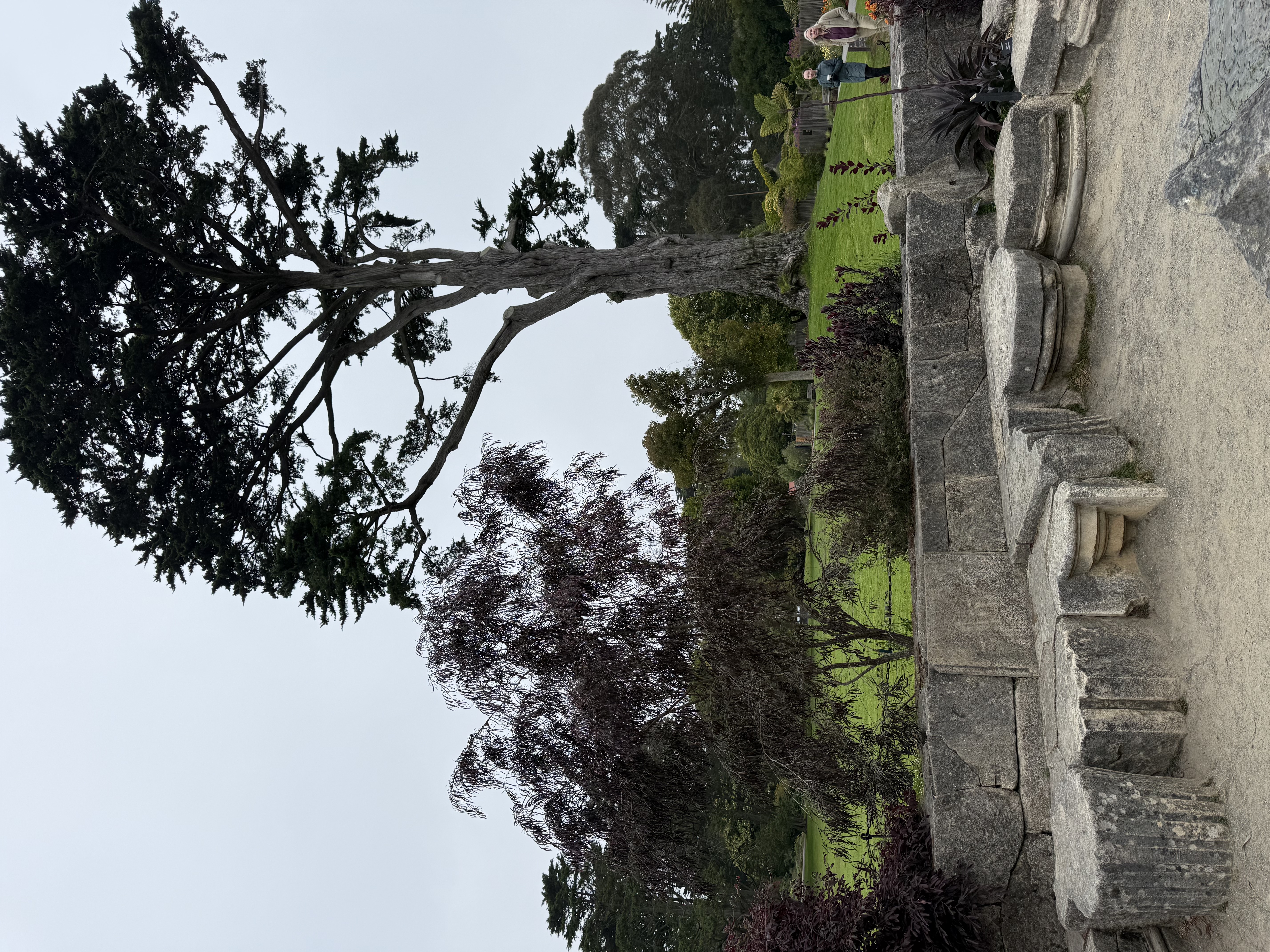
The interior courtyard rearranged various stone shapes into rough seating areas and planters, which accentuated the feeling of visiting a tumbled-down ruin.
But the journey of the stones didn’t end at the botanical garden. A Trappist monastery in Vina, California learned of the stones in the ’50s, and a new obsession took form of a more reverential kind; to rebuild a replica of the 800-year-old Chapter House in Northern California.
The stones had come full circle, from Hearst’s folly to once again a place of devotion, completed in 2018. Gaps were filled by Texas limestone. Built to earthquake code, “The reassembled chapter house is the largest example of original Cistercian Gothic architecture in the Western Hemisphere, and it is the oldest building in America west of the Rocky Mountains.” (Wikipedia)
More soon, AGO
(P.S. — I’m having issues with WordPress, so the photos may take a while to load.)

I like the emphasis on dark-leaved plants. We were just talking at the Fling this year about how nice it would be if someone would start a goth garden with darker-leaved plants, and here we almost have it. Lots of webs on the plants in the later shots. The spiders must have been having a field day. Great find! Thanks for sharing.
Wow, again you’re highlighting a garden in my area that I haven’t been to. I love the stones, the wall and the seating areas especially. I can’t imagine the massive wealth, oh yes let’s get those stones no matter the cost! I like the repeating dark foliage, nice.
Ah the San Francisco Botanical Garden, I’ve only been a couple of times and barely scratched the surface of what there is to see. Yet some of these spaces seem familiar. The dark foliage is, of course, a favorite.
Dark foliage is very compelling. We’ve added several Leucadendron ‘Ebony’ to the LO garden already. But the pale stones and gravel highlight them much better than our current orangey DG and the brown mulch added for weed and evaporation help. I see more gravel in my future….
Ah, so that’s where you landed when your darted out of town! That’s a beautiful section of the SF Botanical Garden. It’s been so long since I’ve visited SF, much less its famous garden, I can’t remember much of anything so I appreciate you sharing your trip.
I too would find it difficult to tear myself away from the this garden. It isn’t often one finds such a lovely collection of dark foliage in small quarters.
The back story set my teeth on edge; the arrogance of the uber wealthy is hard to fathom and it seems little changed in that regard, even a century later.
What a gorgeous garden, thanks for sharing!