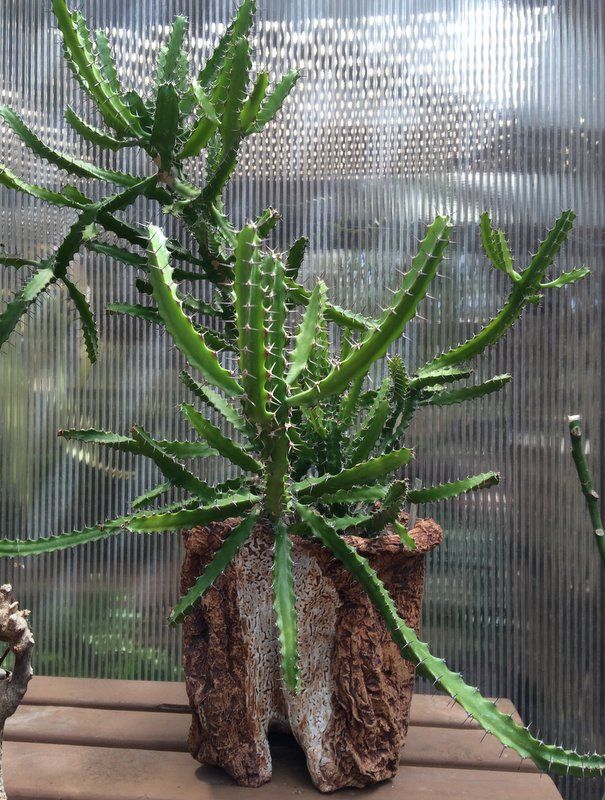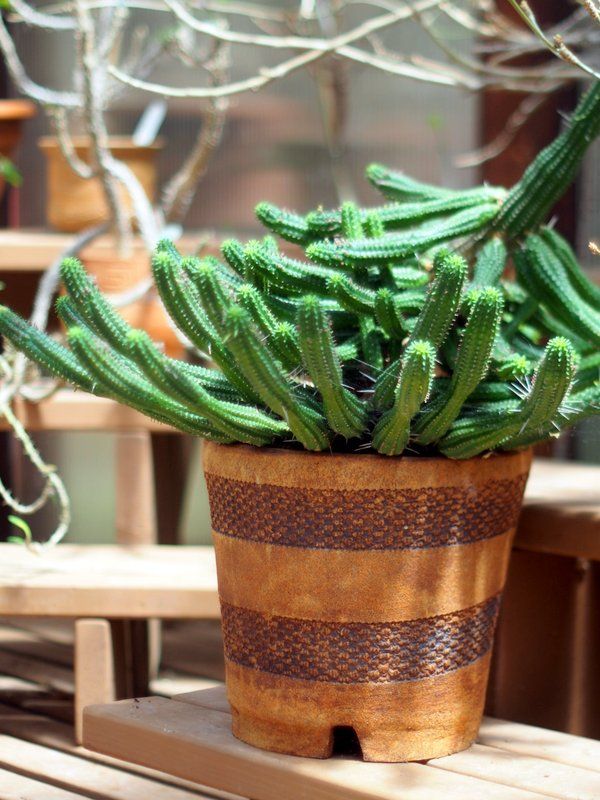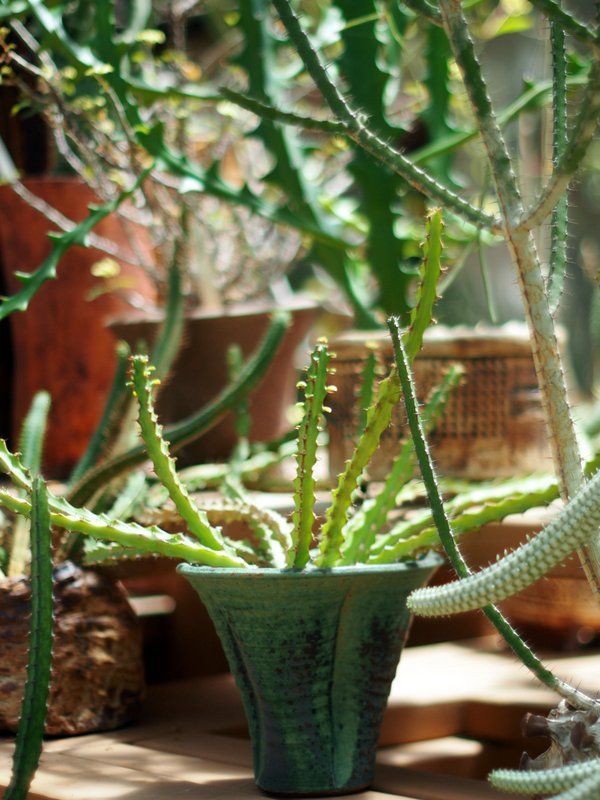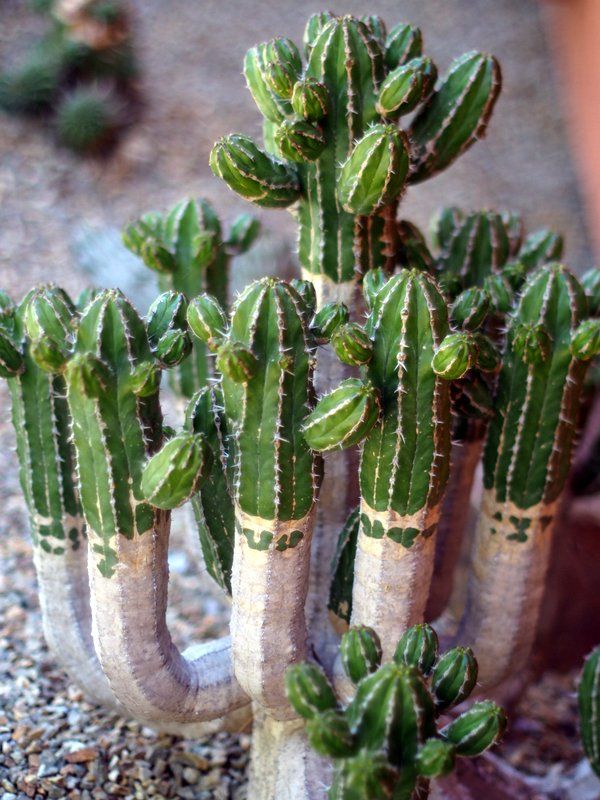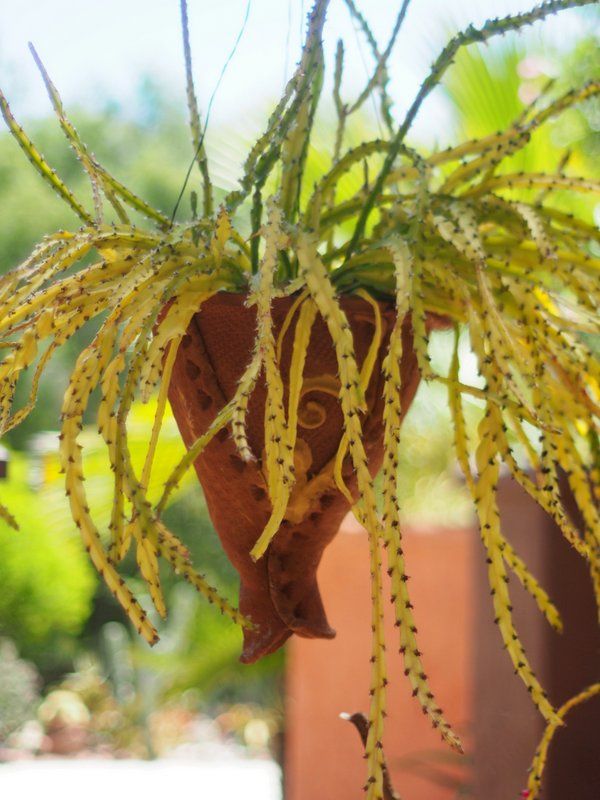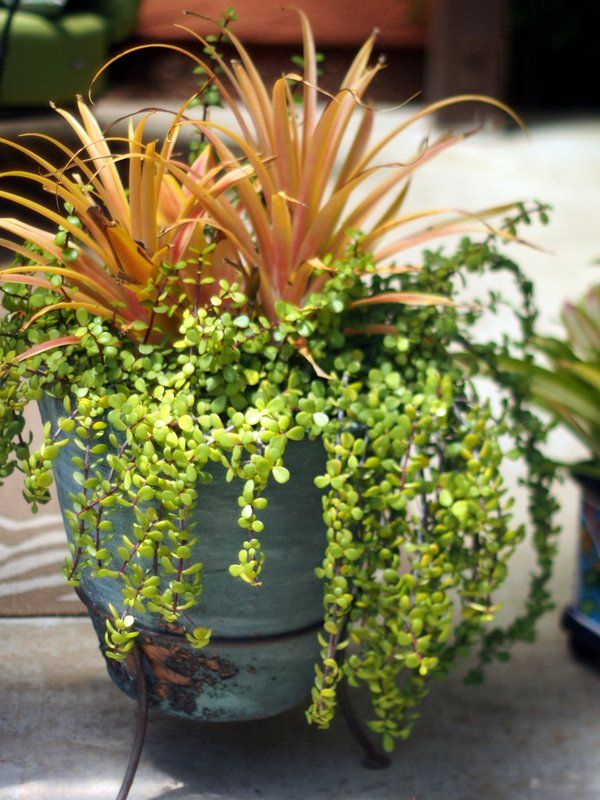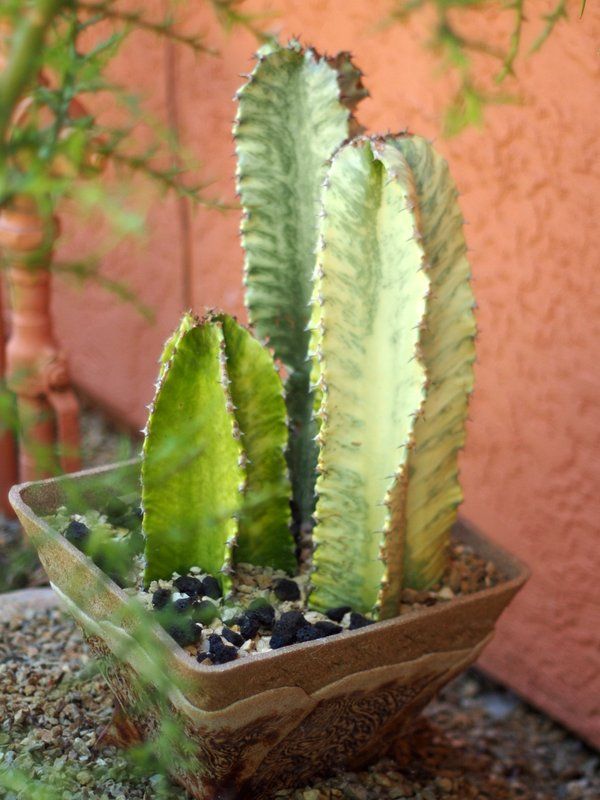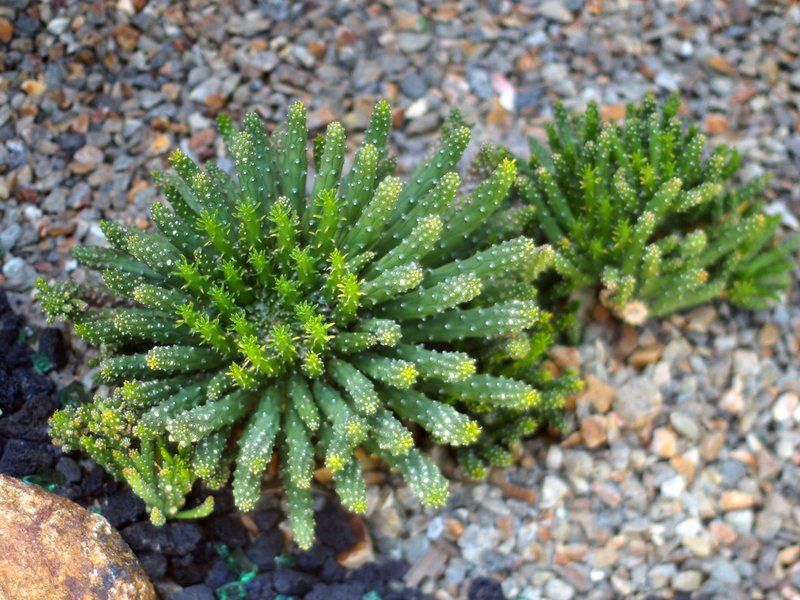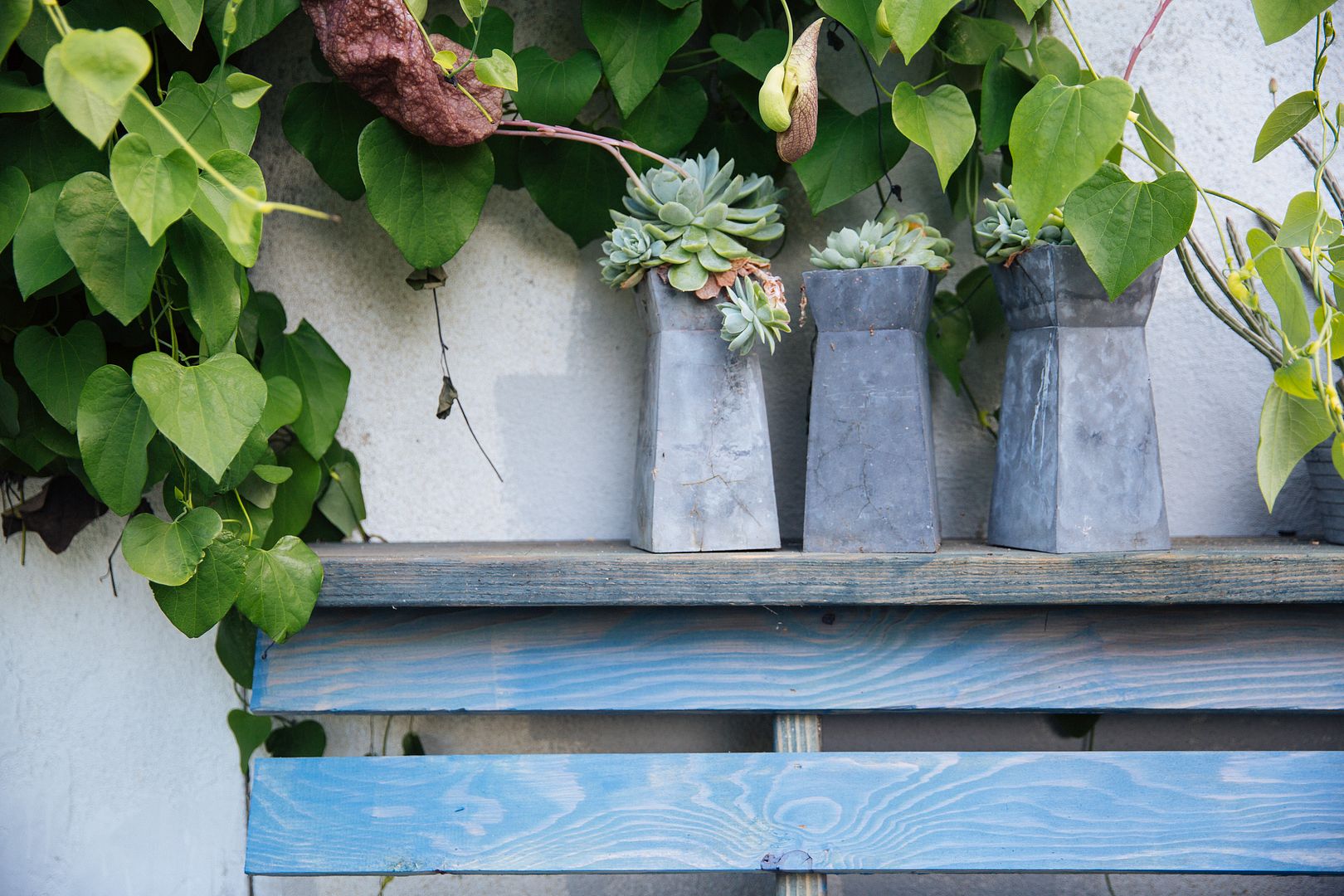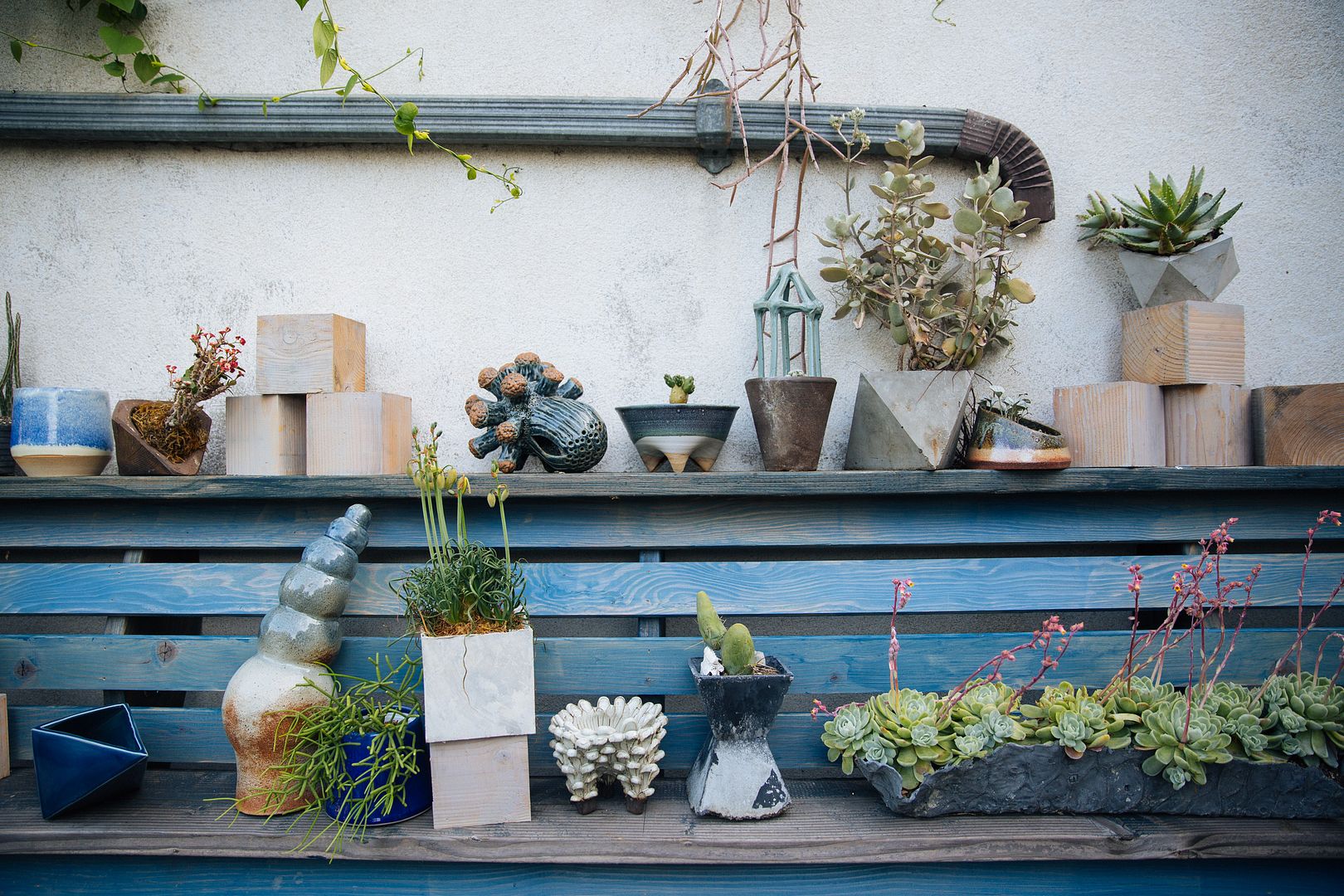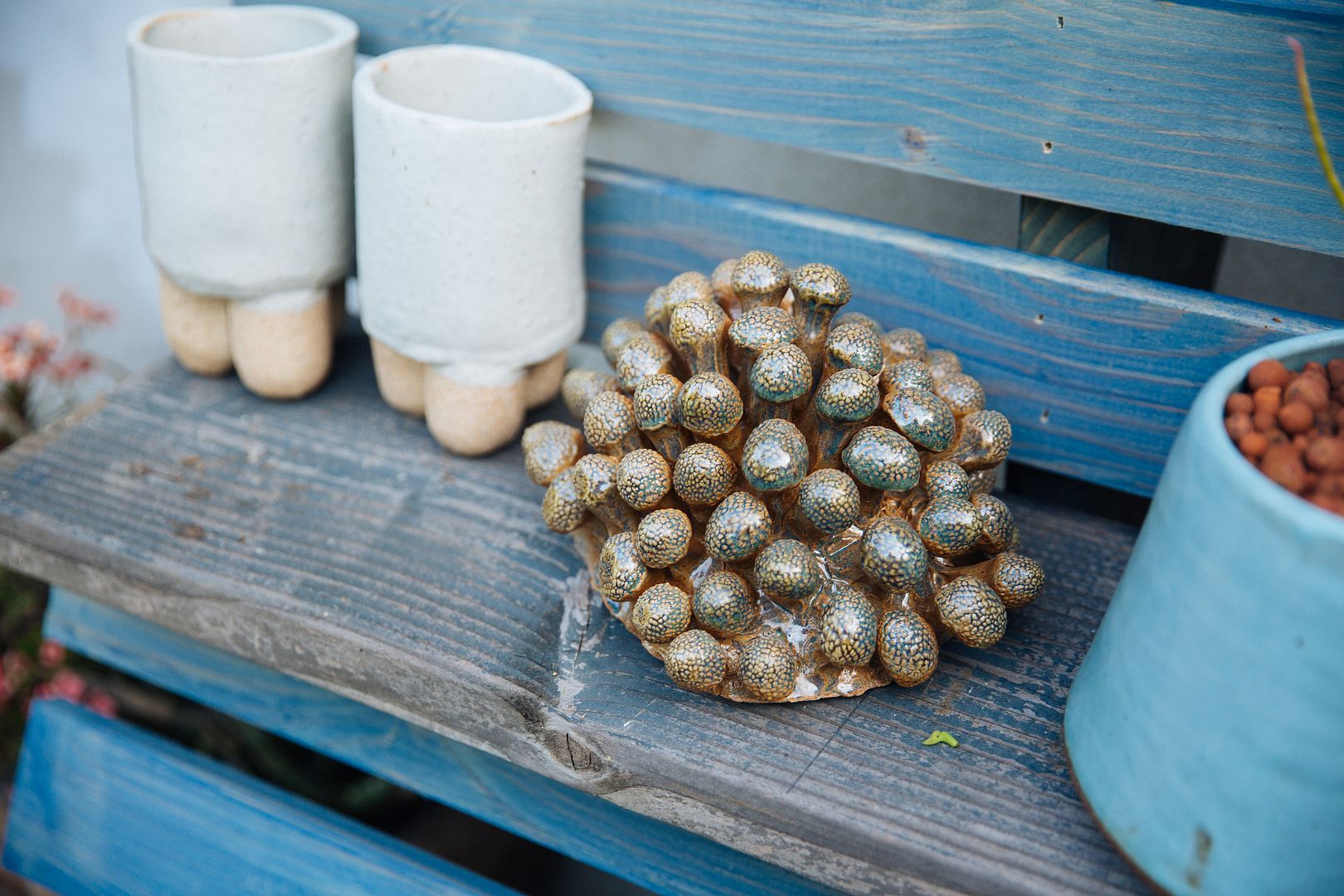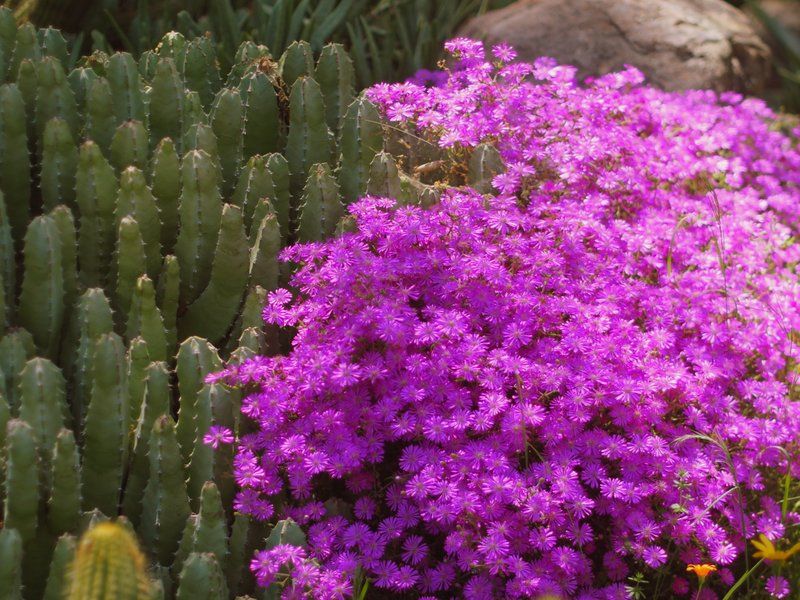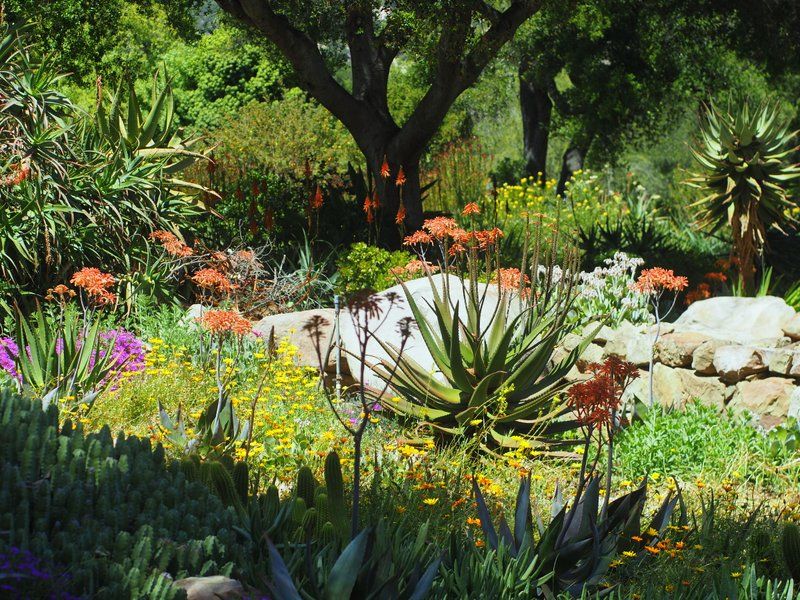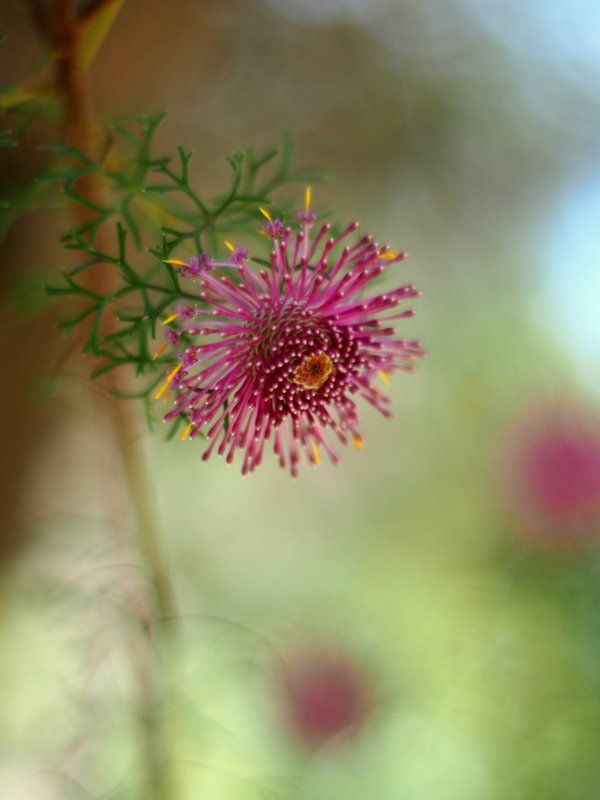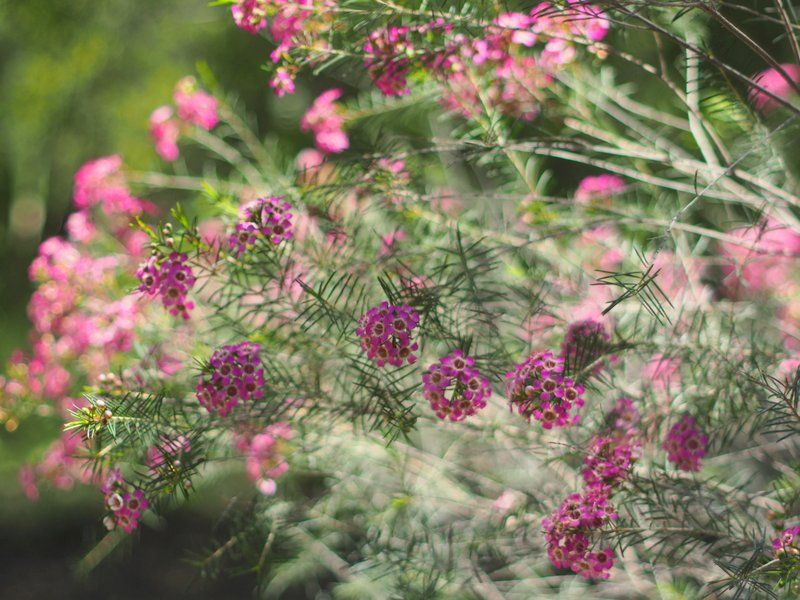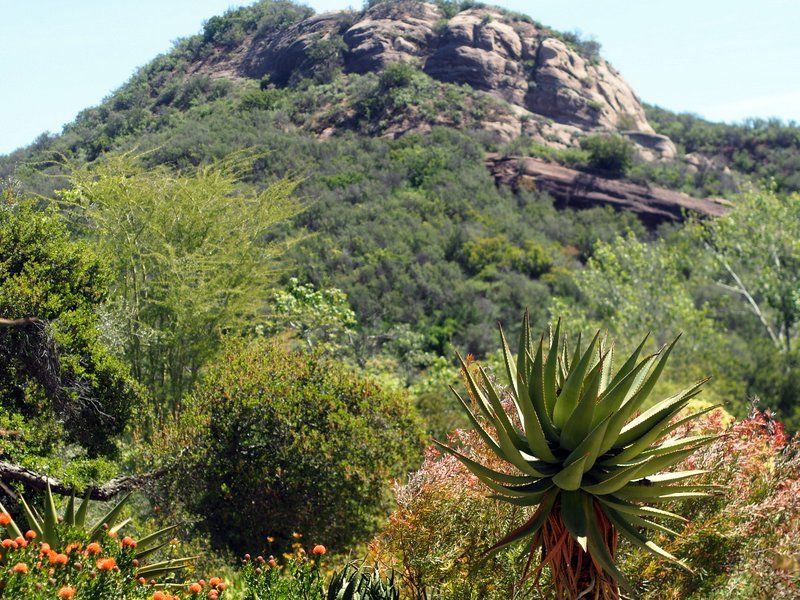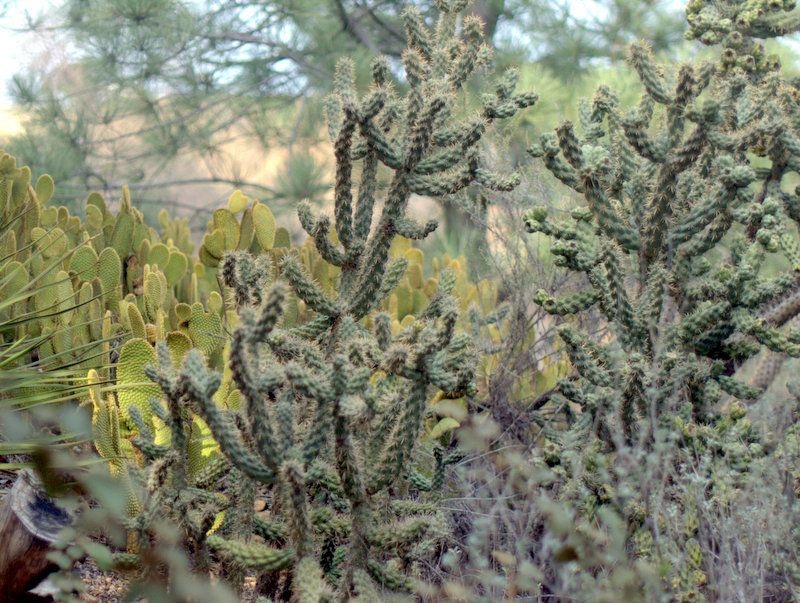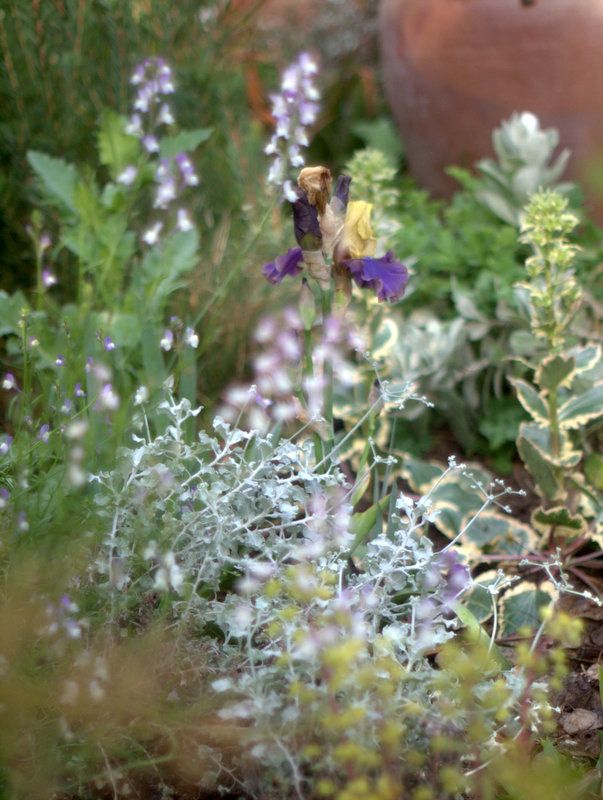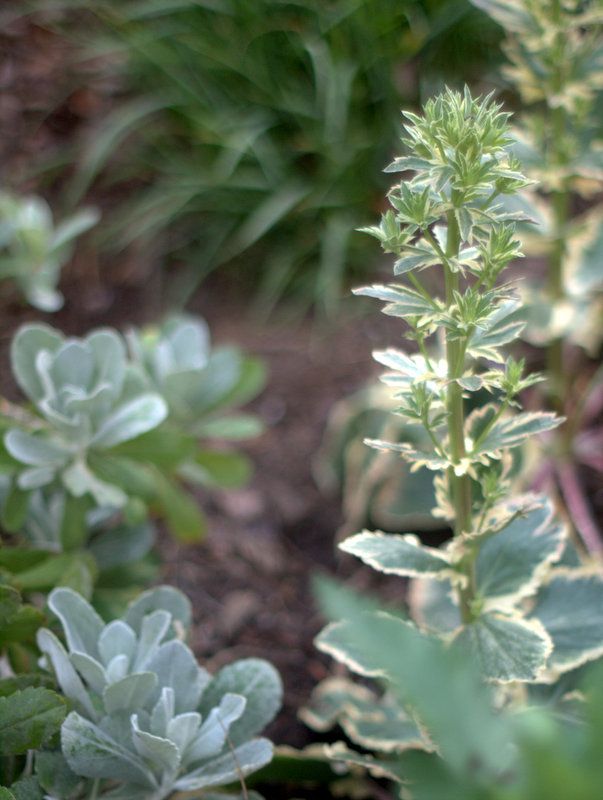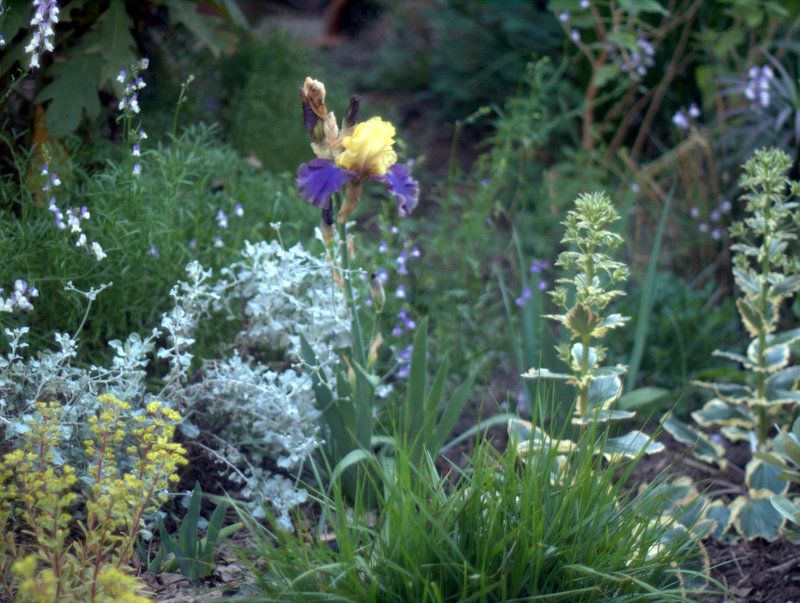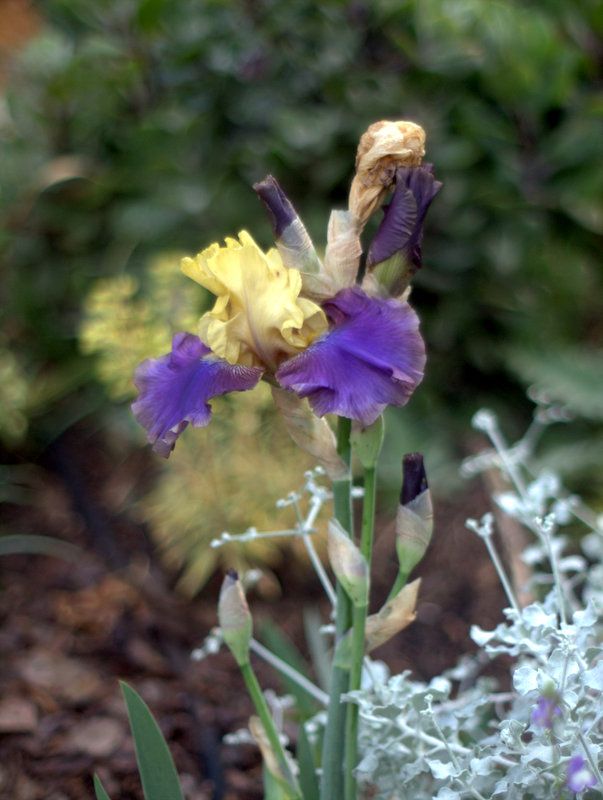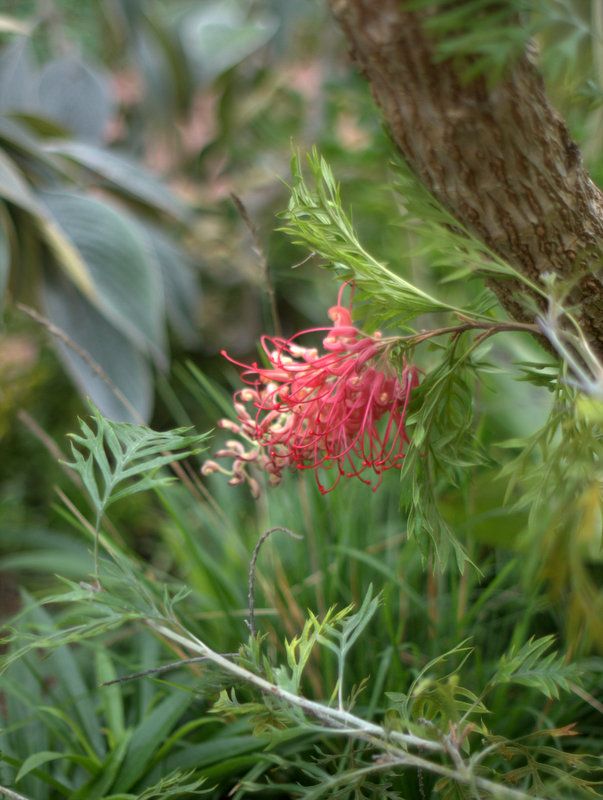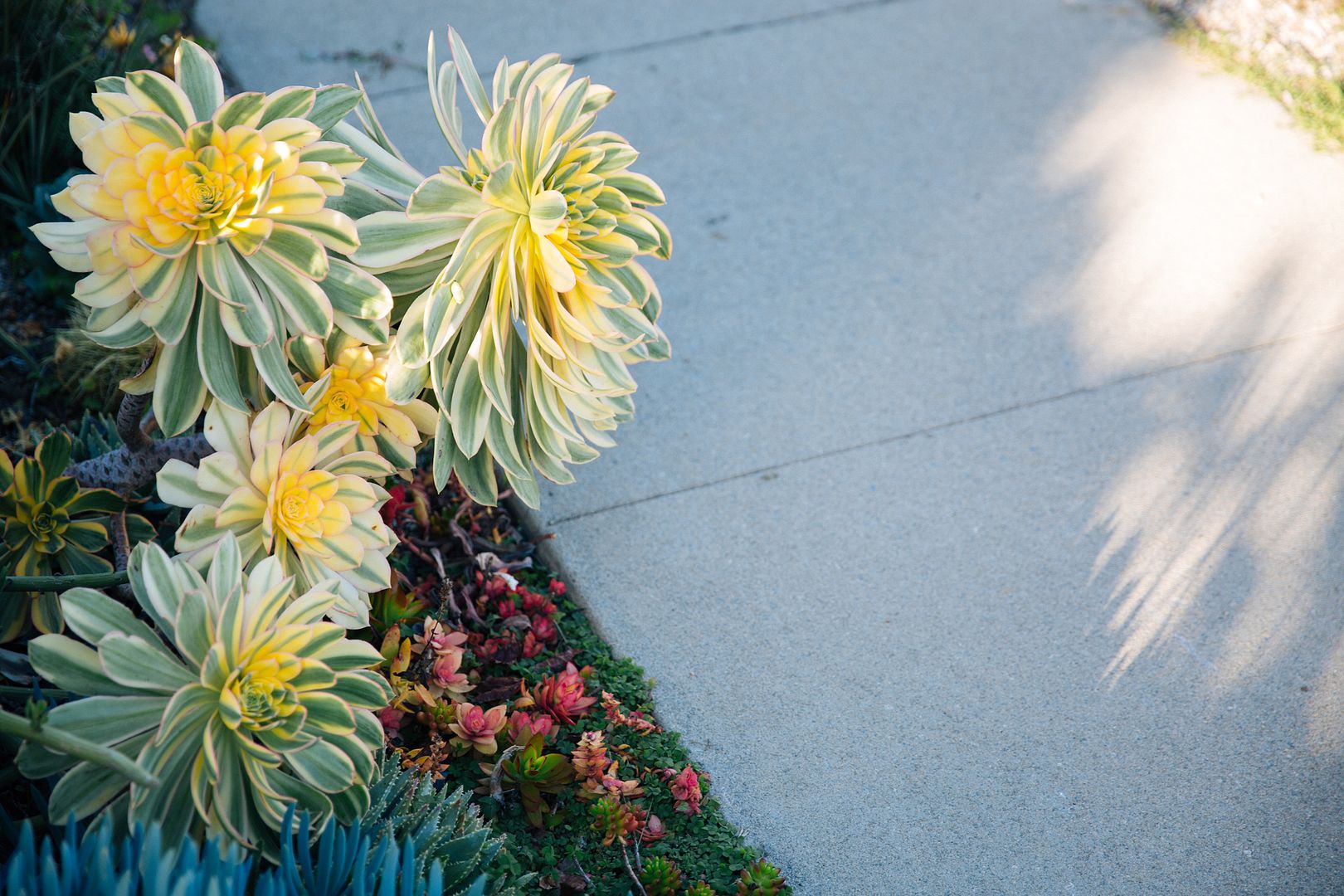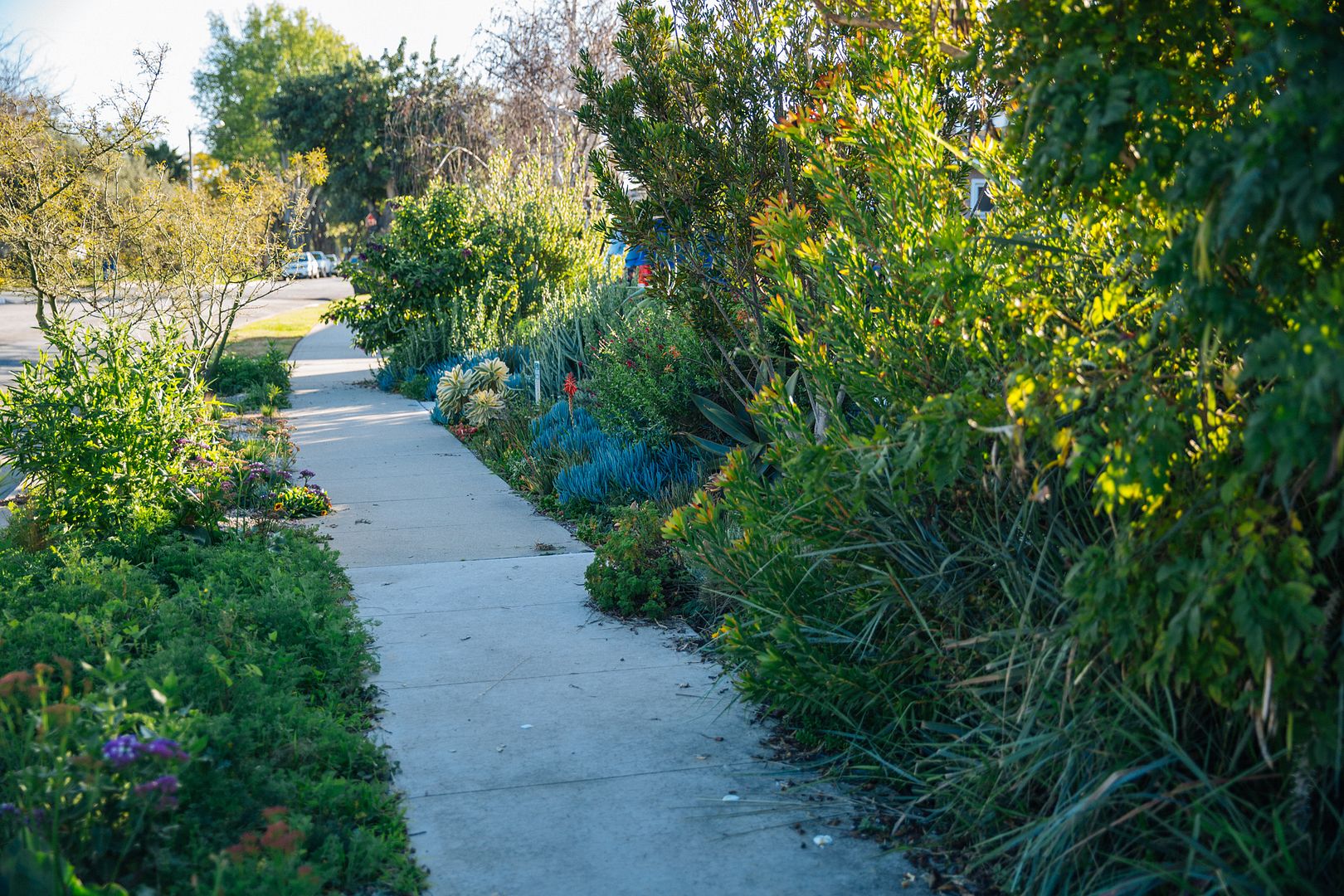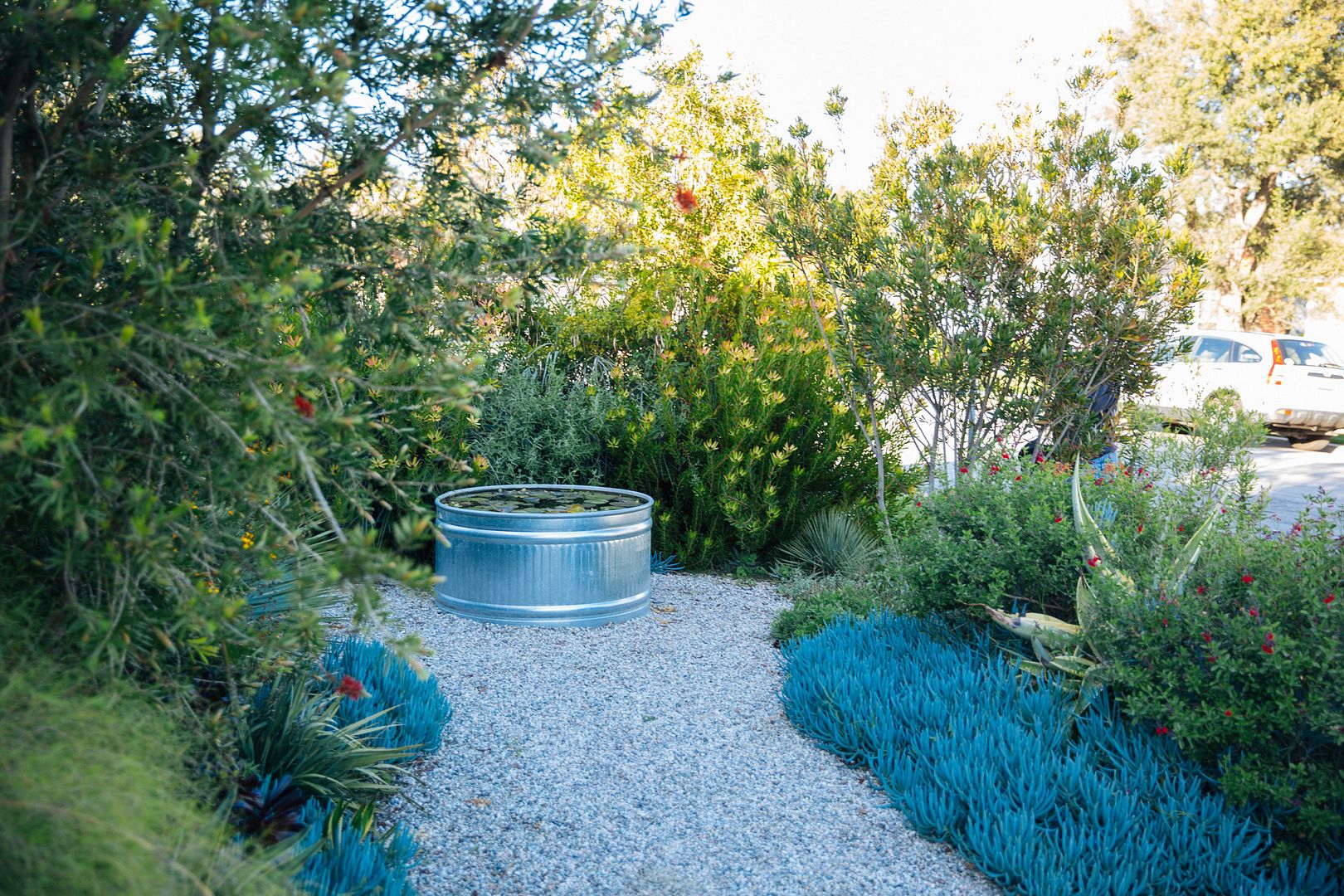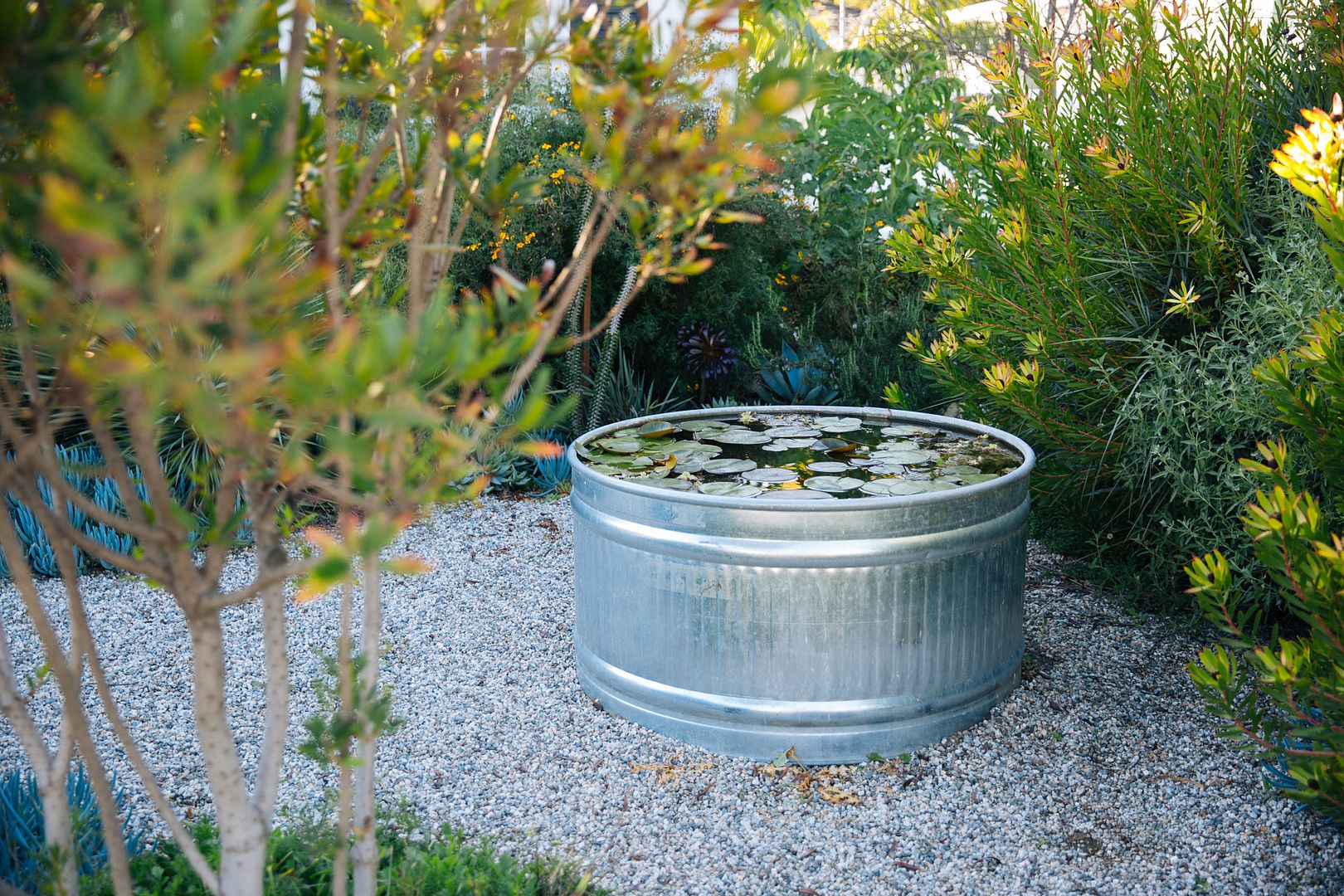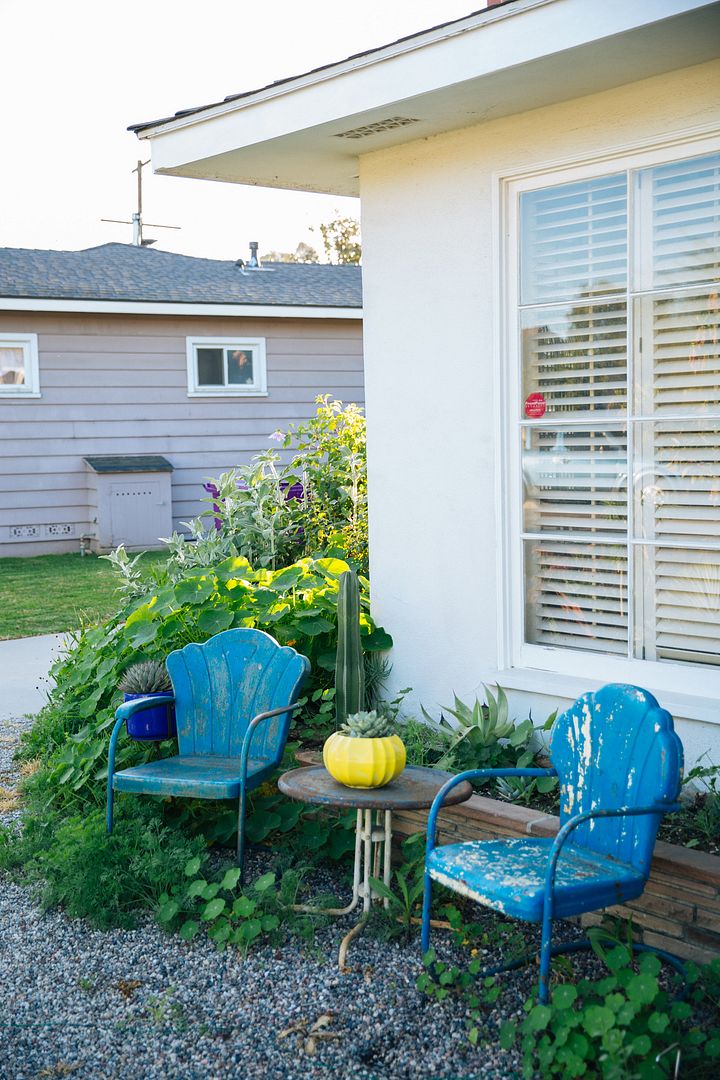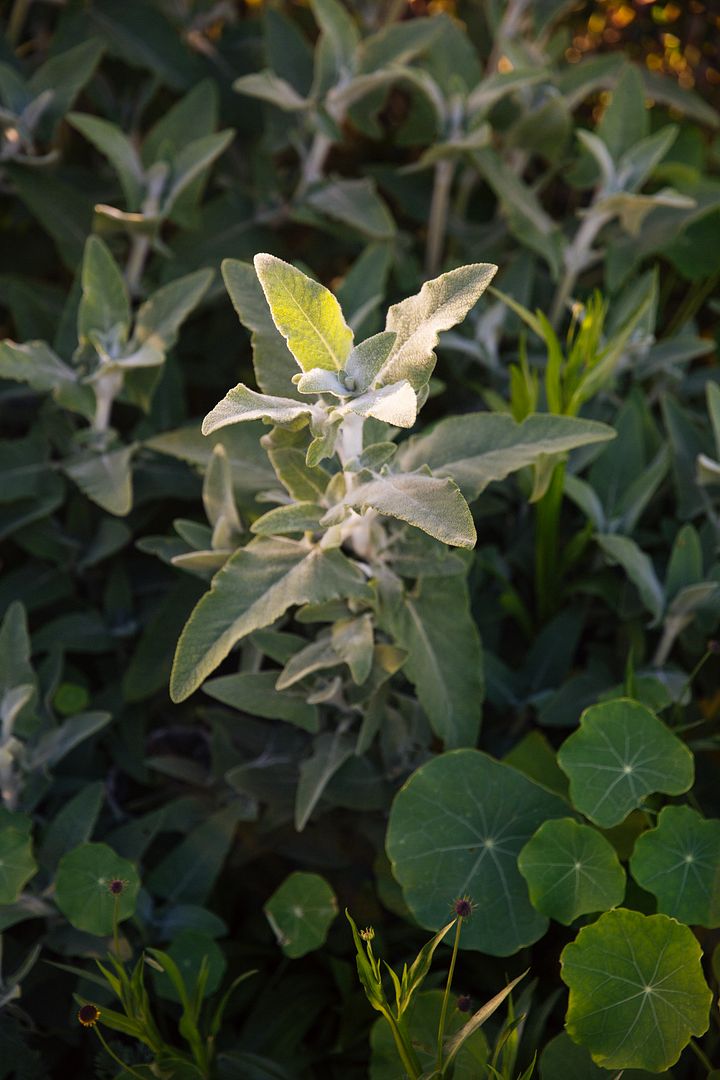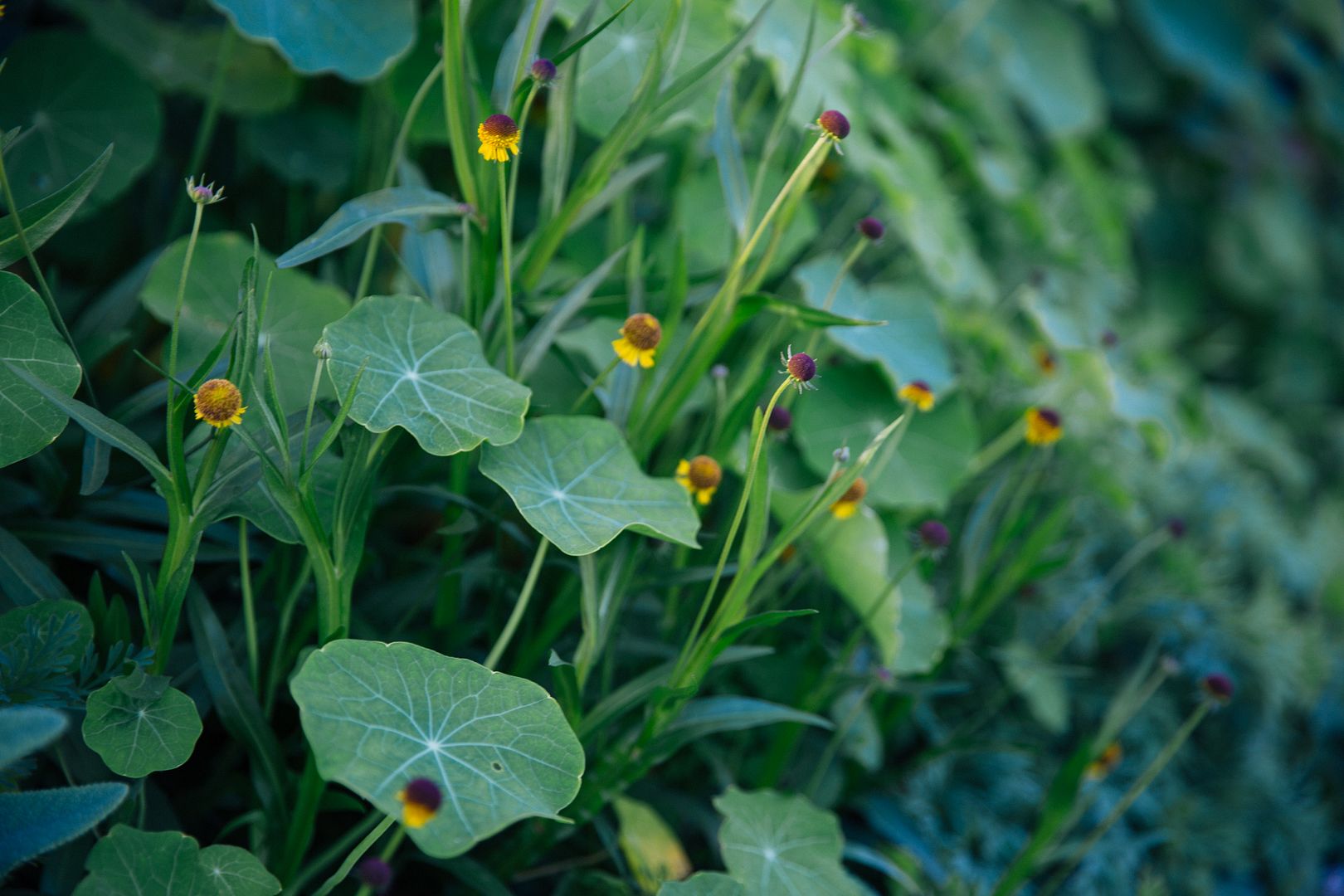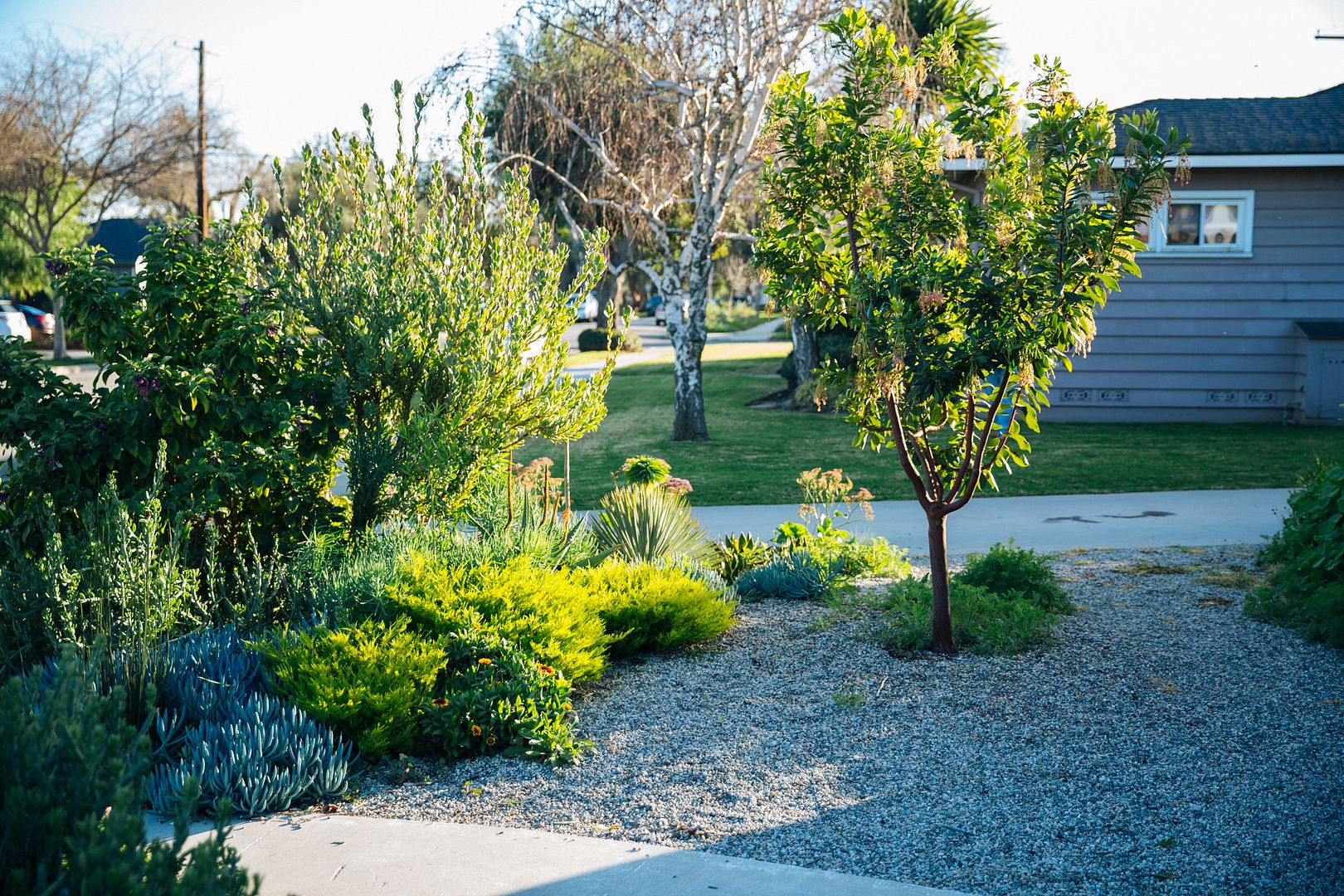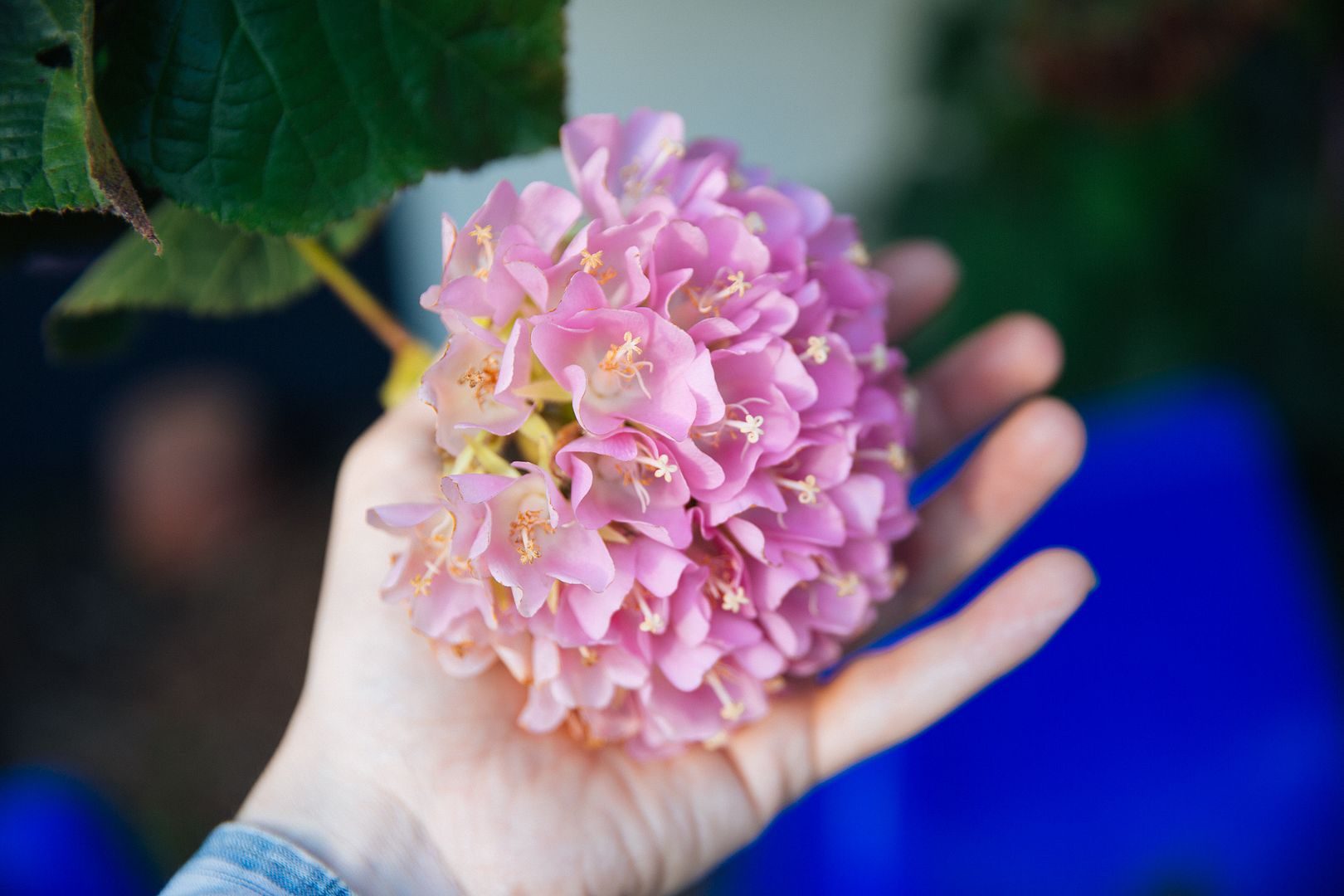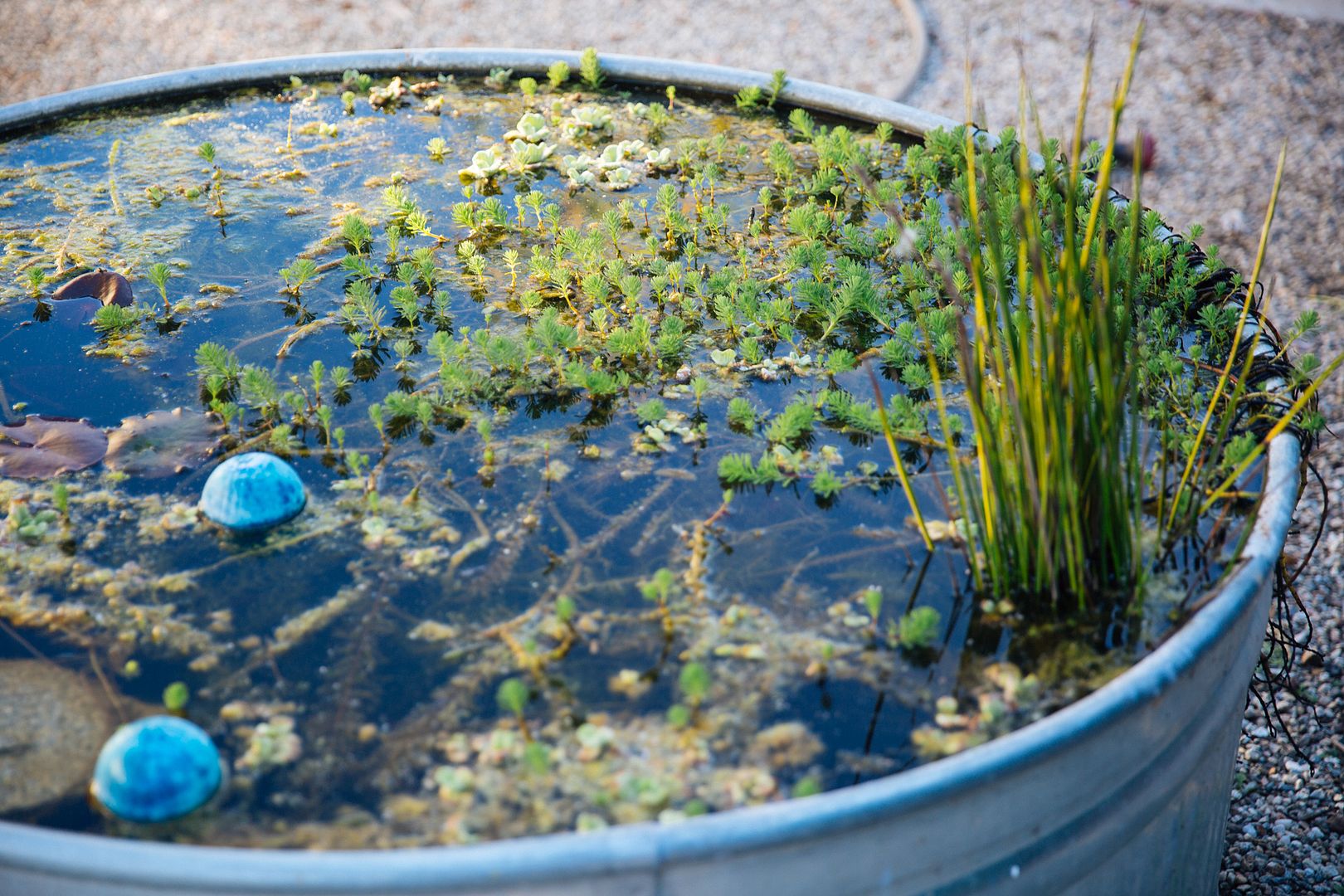
we have a winner

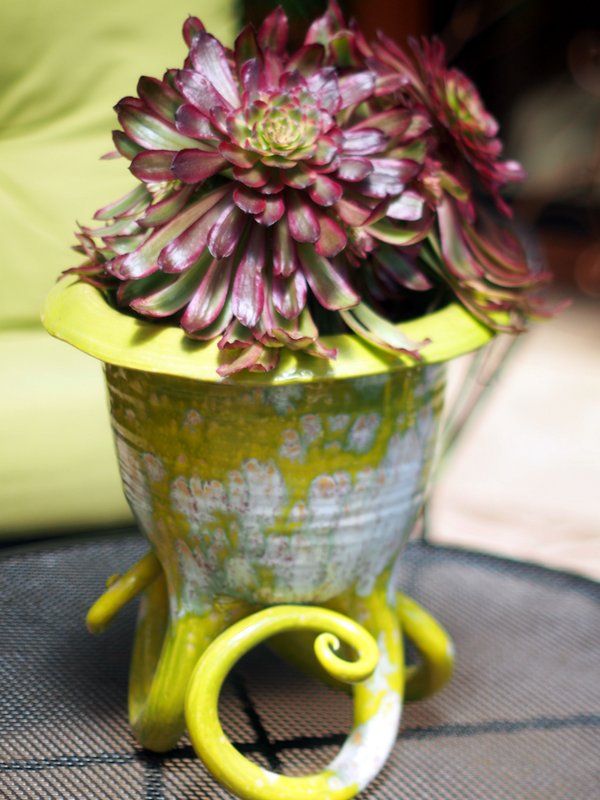
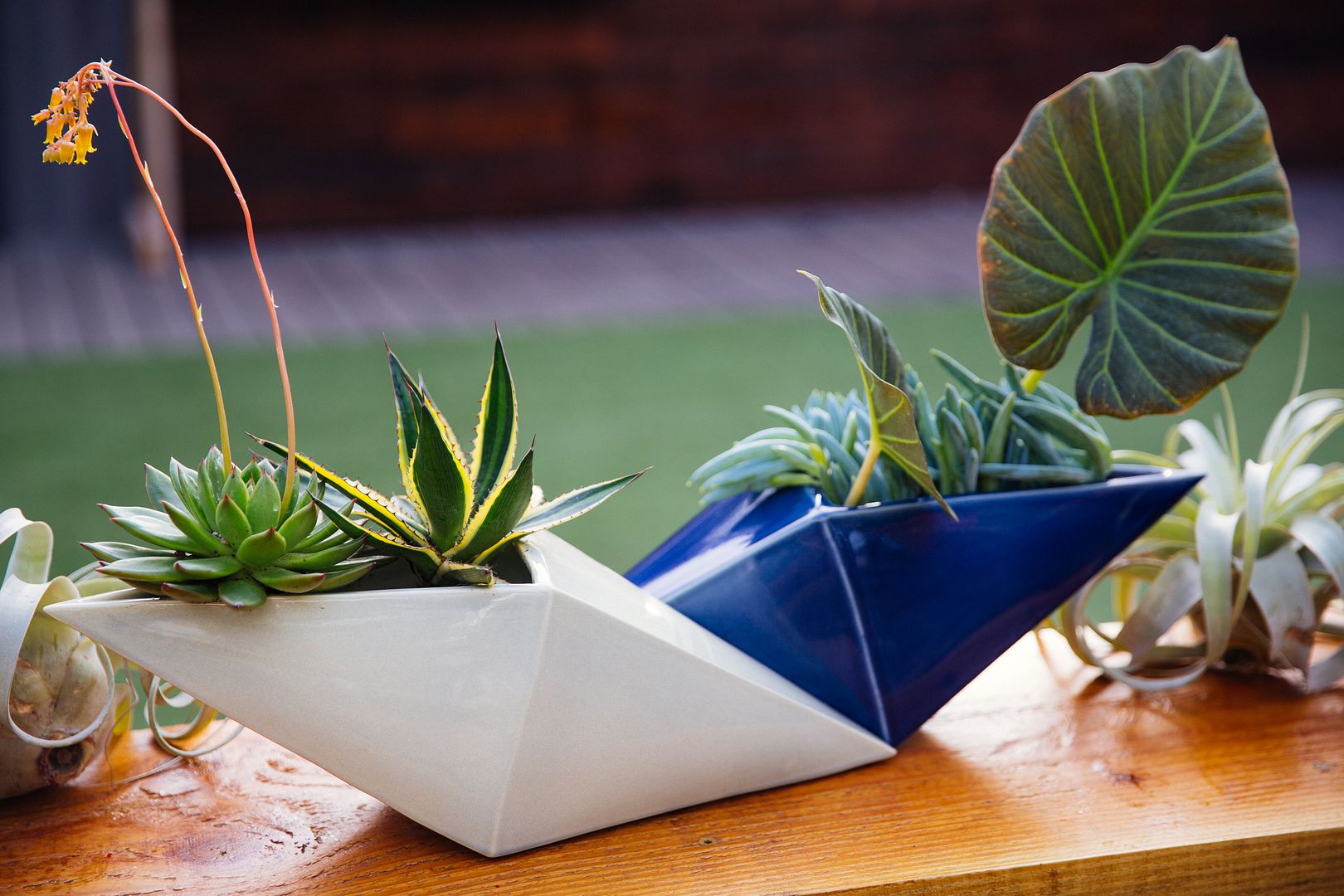
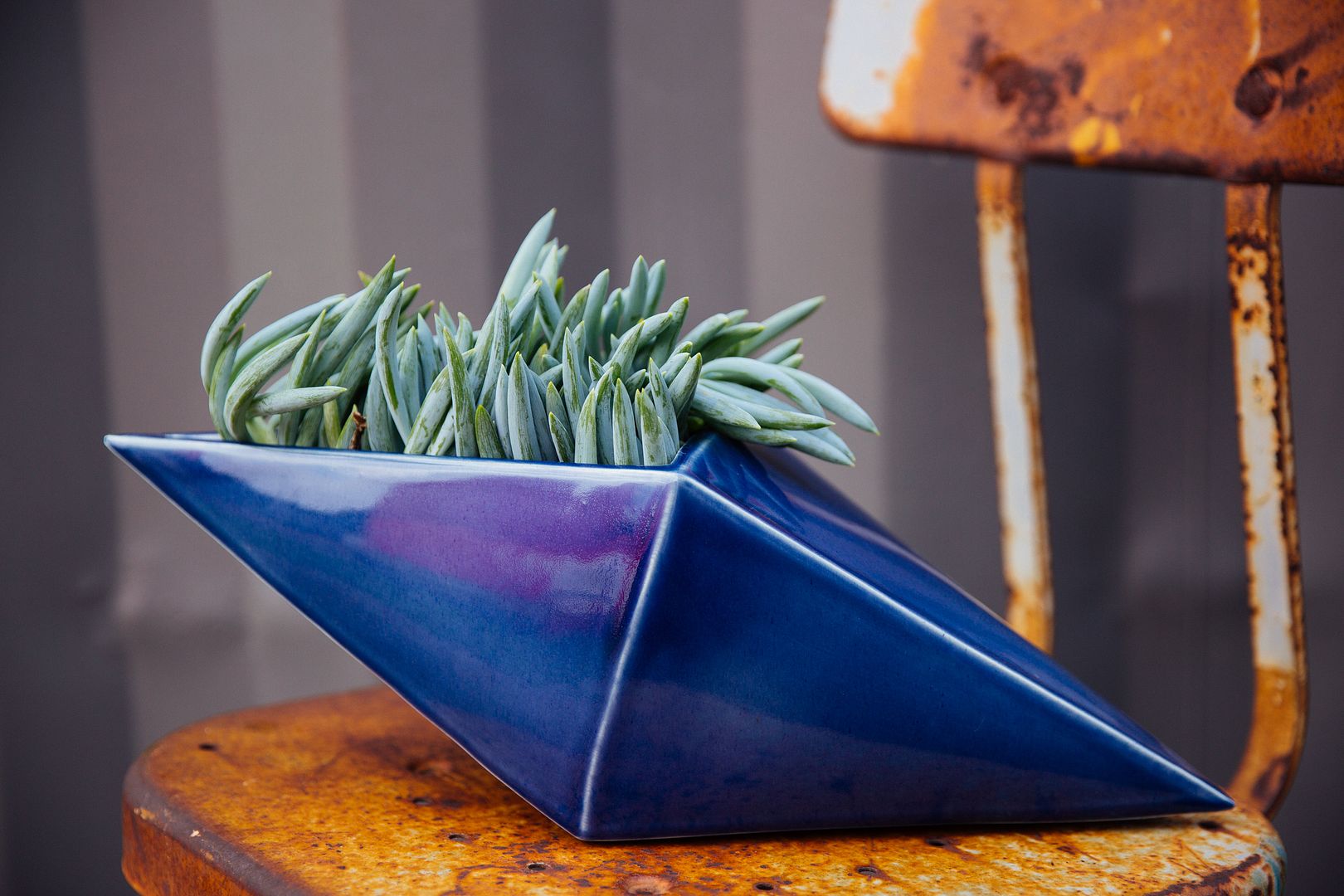
The Muradian pot will now reside in the care of Jon in Baltimore, Maryland. Congratulations! I’ve sent you a PM.

 photo 1-P1013331.jpg

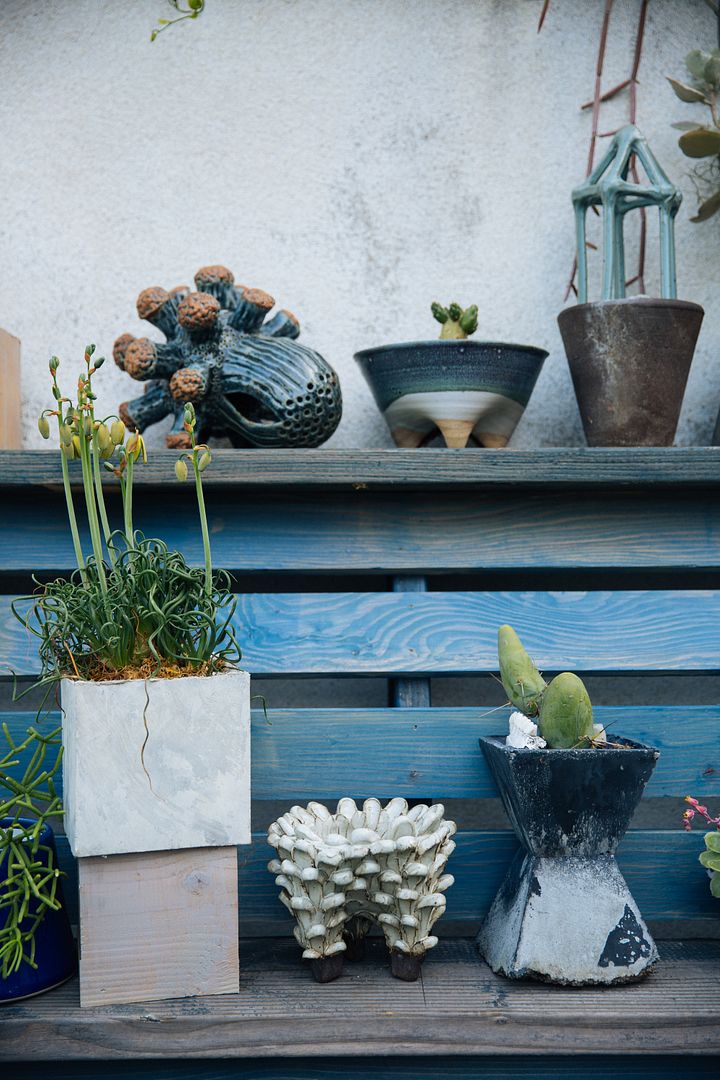
It turned out to be fortuitous that the pot was set aside pending the giveaway, because these new shelves came crashing down Saturday with a sound Marty likened to the “wreck of the Hesperus.”
That would be my doing. I’m guilty of overloading it with just one more pot…every week or so.
It’s been strengthened and rigged again, and amazingly no plants seem to have been lost. I couldn’t bear to take a photo of the carnage so here’s the semi-tidy aftermath.
Lots of pot shards to sweep up, but nothing precious. The orphaned plants are already shaking off the trauma in their new digs.
It’ll be in the mail this week, Jon.

Posted in pots and containers | Tagged | 9 Comments

myoverplantedgarden.com

My working title for this post was overplanted.com, but I’m glad I checked before posting — that already belongs to Tom Fischer!


Yesterday seemed like a good time to check out Roger’s Gardens in Newport Beach for fall planting. In this brief interval between another holiday, before Roger’s goes all in on Halloween, then Thanksgiving, and then Christmas, I was hoping the nursery’s focus would be single-mindedly on plants, because when it is, nobody does it better. And the plant focus was there to a certain extent. You could almost say I had the nursery to myself, since everyone else seemed to be boisterously enjoying the newly opened restaurant The Farmhouse. This fresh-built, two-day-old outdoor restaurant manages to convey the air of a venerable establishment at least a decade older. Its physical presence makes as big an impact as the Huntington’s new cafeteria. I was floored by its seemingly instantaneous Tuscan-style sumptuousness and elbow-to-elbow diners crowding its tables, like Cecil B. DeMille had barked “Action!” on a big-budget film soundstage. I called Marty on the phone to tell him about it, then quickly turned heel to search for plants. No time for photos. You can check out their website for a look.

The upside to Roger’s preoccupation with holiday retail is these display extravaganzas require vast movements of materials to make room for each holiday, which is when plants and pots really get marked down. When it comes to holidays, I run the gamut from lukewarm to uninterested, but I suppose thanks are owed to all those holiday-themed shoppers, because no doubt their zeal bankrolls the continuing excellence of the plant nursery, not to mention the episodic shots in the arm they give to the economy. I was hoping an Agave xylonacantha ‘Frostbite’ I’ve had my eye on was marked down, but no such luck.

 photo 1-P1013300.jpg

Also not on sale, but I was nonetheless thrilled to find this Acanthus ‘Morning Candle,’ and with multiple bloom spikes too. There seems to be some dispute over its lineage, hungaricus and mollis vs. spinosus and mollis. (Tony Avent says: “most growers wouldn’t know true Acanthus spinosus if it stuck ’em in the rear.”) But what’s agreed on is that it was bred in Holland and is very free blooming. I pray it doesn’t object to zone 10.*

(Edited 9/12/16: It may need to be moved to afternoon shade to avoid the full, flaccid wiltdown it enacts every day. Currently, it has an umbrella propped overhead.)

 photo 1-P1013271_1.jpg

I’ve always preferred the species/hybrids with narrower leaves over A. mollis. My youngest son’s middle school flanked its entire length, a couple blocks long, with A. mollis, but it doesn’t seem to be planted much anymore. I predict, however, that it will be the new “it” plant any day. Despite my preference for other species, it is undeniably a classic. The Ancient Greeks were nobody’s fool.

 photo 1-P1013188.jpg

The acanthus was planted behind the agave, where Anisodontea ‘Strybing Beauty’ reached over 5 feet this summer, but always carried as many yellow leaves as green ones.

 photo 1-P1013158.jpg

Anisodontea ‘Strybing Beauty’ this summer, now no more. I did take one cutting, but the cool summers of San Francisco would seem to be its preferred climate. Understandably so, since it used to be mine too. I seem to be getting the rhythm of the heat after all these years, not that this summer broke any records here. It’s been unbearably, distractingly lovely for the most part, and I’ve spent every available minute well away from computers.

 photo 1-P1013310-001.jpg

This self-sown Echium simplex is enjoying some newfound breathing room after the anisodontea was removed.

 photo 1-P1013324-001.jpg

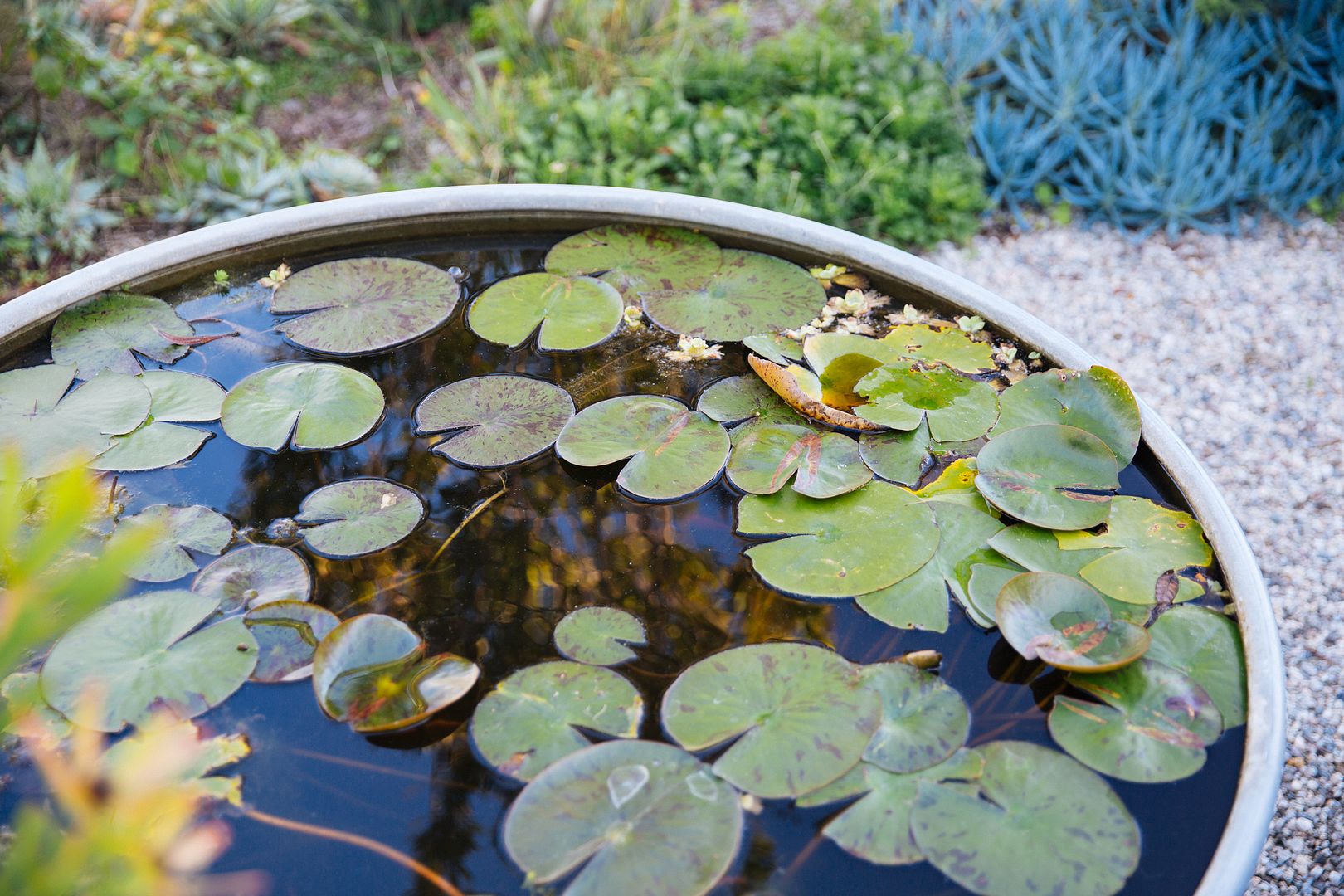
This unlabeled Salvia greggii/microphylla hybrid was on sale and has already been stuffed into the container with Stachys ‘Bella Grigio.’ In the post-shopping planting frenzy, I pulled out the Japanese sunflower going to seed in the stock tank to make room for dwarf Tagetes lemmonii, the Copper Canyon Daisy for fall. And I brought home yet another grass, Miscanthus ‘Little Kitten.’

 photo 1-P1013295.jpg

Am I being a complete bore yet about grasses? There’s really nothing as transformative, with a relatively slim footprint and such a magnificent, seasonal surge of growth. Without the space or water resources to support half the summer stuff I want to grow, the grasses are almost consolation enough. Pennisetum ‘Fairy Tales’ was planted from gallons this spring, from the Huntington’s plant sale.

 photo 1-P1012843.jpg

Catching and playing with light, wind, they’re as mesmerizing as staring at a campfire.

 photo 1-P1013283.jpg

Now to the plants I didn’t buy yesterday. Plants that spent time in my shopping basket but were ultimately removed included, among many, the chartreuse Santolina ‘Lemon Fizz’ in 4-inch pots and Ballota ‘All Hallows Green.’ The 4-inch size is so tempting, and the selection was very good, including Ceanothus ‘Diamond Heights,’ Verbascum bombyciferum. I’m already growing ‘All Hallows Green’ in my garden, as seen in the photo above. I wish there was room for a half dozen more in 4-inch pots.

I lingered over a new echium offering from Annie’s Annuals & Perennials, Echium webbii, a reputedly “dwarf version” of fatuosum.

Metapanax davidii was tempting but a bit too disheveled. I prefer M. delavayi’s much finer cut leaf. In the herbs/veg section I found Calamintha nepetoides and grabbed three. Unlike the stellar ‘Montrose White,’ they will reseed, but it’s so rare to find calamints that I went for it. Grown by Native Sons.

 photo 1-P1013296.jpg

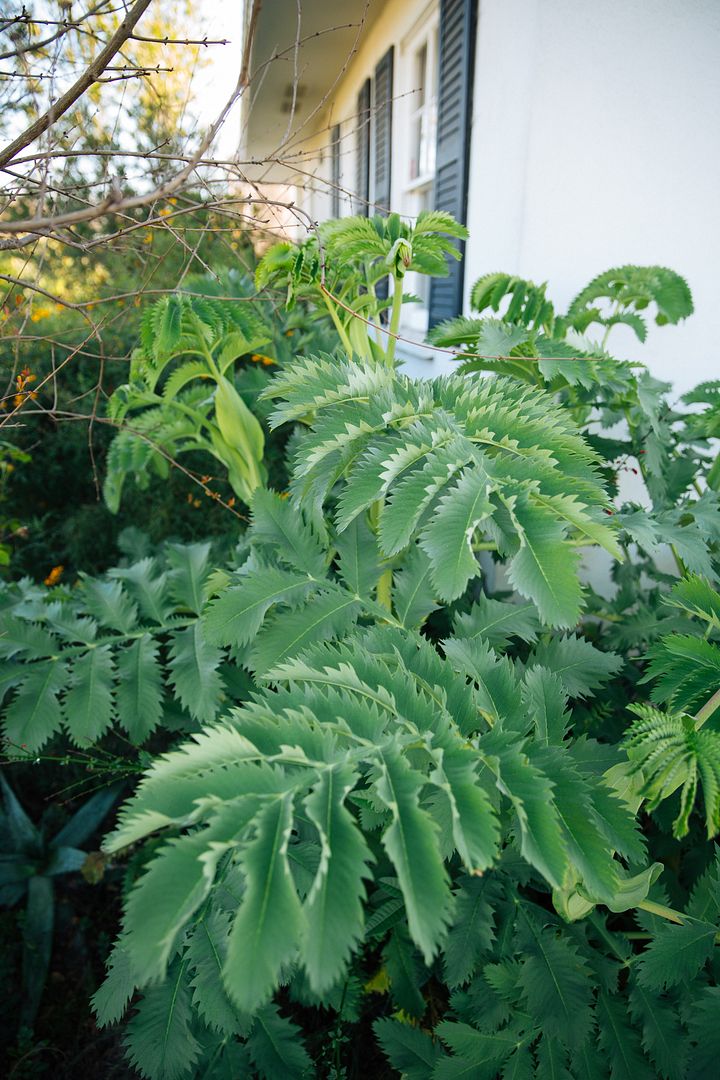
Speaking of disheveled, summer’s shabbiest award goes to Melianthus ‘Purple Haze,’ and that’s only because its weary leaves are usually cut to the ground by August. That it made it through July/August at all was only by the grace of drip hoses, but it’s undeniably crisped and thin. Knocking back that leaf canopy mid summer always seemed to desolate this end of the garden. New growth is already showing, and I’ll cut down old growth when it’s made more headway.
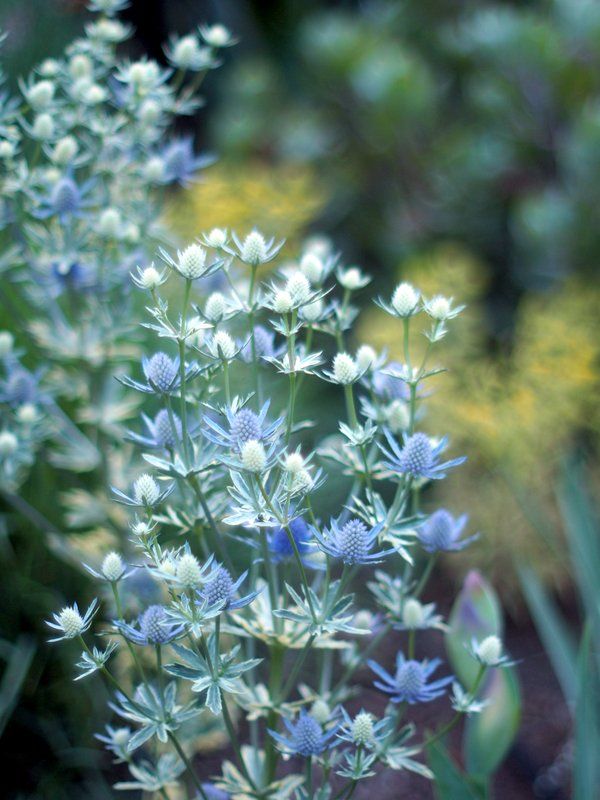
 photo 1-P1013301.jpg

Other than what I’ve ripped out/transplanted, there’s been no real losses this summer. If I’ve already blogged about terrible losses and forgotten, don’t remind me. The drip hoses have resulted in some mad growth, including this solanum vine, now stretching from the top of the 18-foot cypresses down nearly to the ground.

And just to be clear, I have nothing against holidays! Especially the long Labor Day Weekend. Have a great one.

P.S. I’m going to figure out who won the little Muradian pot later this weekend.

Posted in clippings, design, journal, plant nurseries | Tagged , , , , | 9 Comments

Muradian pot needs a good home

I’ve never planted this pot made by Fresno-based potter Mark Muradian, whose pots are at all the succulent and cactus shows in California.
It’s just too precious for the way I shuffle things around constantly. 5 and a half inches wide and tall, including feet.

 photo 1-P1013211.jpg

So this will be a low-key giveaway, no tie-ins to Instagram, Facebook, etc., just for the hard-core readers (you know who you are!) but U.S. only.
If no one wants it, then I’ll finally plant something in it, maybe the little Pachypodium namanquanan that’s bulging out of its current pot.
If only one person comments and needs it, it’s yours. I’ll close this out in early September.

Happy Monday!

Posted in artists, pots and containers | Tagged | 23 Comments

at the Inter-City CSSA Show August 2016

The funny thing about hard-core succulent shows is there’s often non-succulent treasures on the sales tables too.

 photo 1-P1013206.jpg

On arrival, I made a quick circuit around the tables and immediately became fixated on these decidedly non-succulent leaves.

 photo 1-P1013194.jpg

And the mottling on these stems. No name tag, no price.

Continue reading

Posted in agaves, woody lilies, plant crushes, Plant Portraits, plant sales, pots and containers, succulents | Tagged , , , , , , , , , , , , , , , , , , , , | 16 Comments

Bloom Day August 2016

 photo 1-P1012872.jpg

It must be August, because the Euphorbia ‘Diamond Frost’ is billowing. This tender perennial becomes activated by the heat of August. I pull it out by the handfuls when it gets too rambunctious but always leave a few roots. Any plant that likes this weather deserves a place at the table. And I like what it’s doing with this potted agave. Remember when this euphorbia was the “it” plant several years ago? It had a brief moment in the spotlight as a go-to annual for containers. Here it’s colonized the soil where the bricks meet the garden.
 photo 1-P1012882.jpg photo 1-P1012873.jpg

Otherwise, it’s the grasslands of August and not much change since July Bloom Day. Same cast of characters. Most of what’s in flower are oddball blooms only a bug would love, no real classic garden plants, so I’ll spare you the closeups. (And I got home too late.)
I’ve been cutting back, thinning the gomphrena, cutting Anthemis ‘Susanna Mitchell’ to the base, so more more buttery daisies this summer. I’ve even cut back the brown eryngium flowers and Rudbeckia maxima seedheads. Everything looks fresh again.
I wanted to get some air circulation going in the jungle and deep water shrubs and stuff to get the garden through August and September and ready for winter-blooming aloes. At least I hope there’ll be a good show from some youngish aloes this year. And there’ll be room to add the irises, which shipped today.
I think I’m cured of trialing big blue agastaches like ‘Blue Blazes.’ Coarse leaves, not bad from a distance, but not so welcome in a small garden. Easy, stemmy, swaying bog sage, seen in the background, suits this garden fine and provides a film of blue all summer.
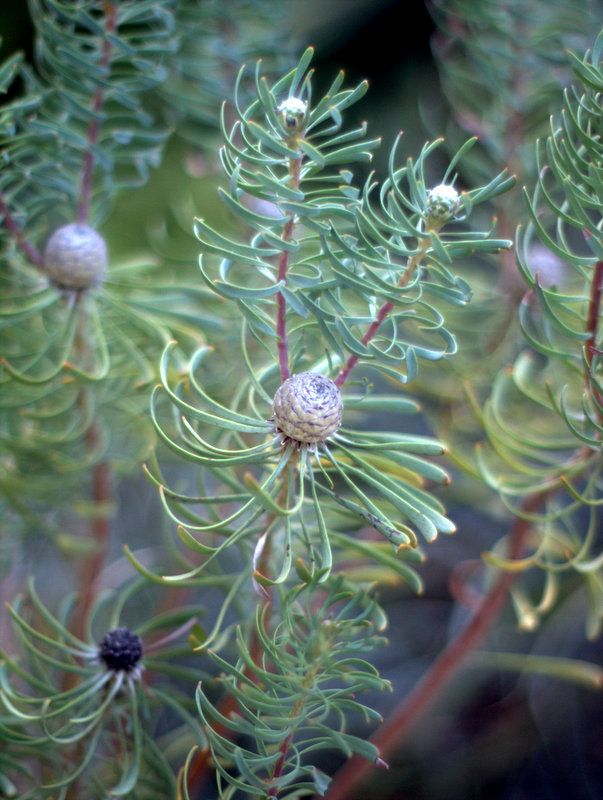
Eragrostis 'Tallahassee Sunset' photo 1-P1010011.jpg

One of the most startling blues in the garden comes from this Eragrostis elliottii ‘Tallahassee Sunset’ I just planted mid-summer. Can you tell I’m seriously smitten with grasses lately? Plants’ leaves may age and yellow throughout summer, but grasses always manage to look impeccable.

 photo 1-P1012866.jpg photo 1-P1012864.jpg

Buddleia ‘Cranrazz’ enjoying life in a deep container (trash can)

 photo 1-P1012819.jpg

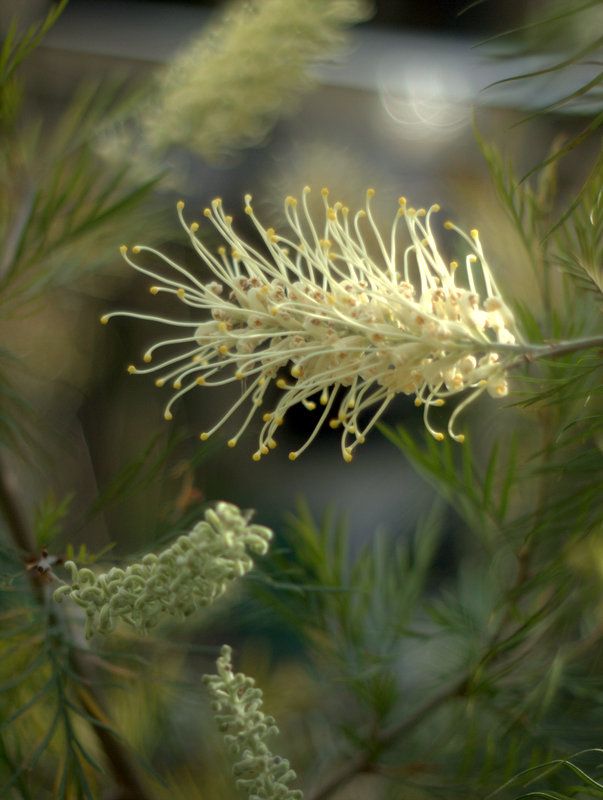
All grevilleas are in bloom, this ‘Moonlight’ and ‘Robyn Gordon.’ An ‘Austraflora Fanfare’ bloomed lightly earlier this summer but is still a youngster. Seen in the background, little aloe hybrids are sending out flares of orange flowers throughout the garden.
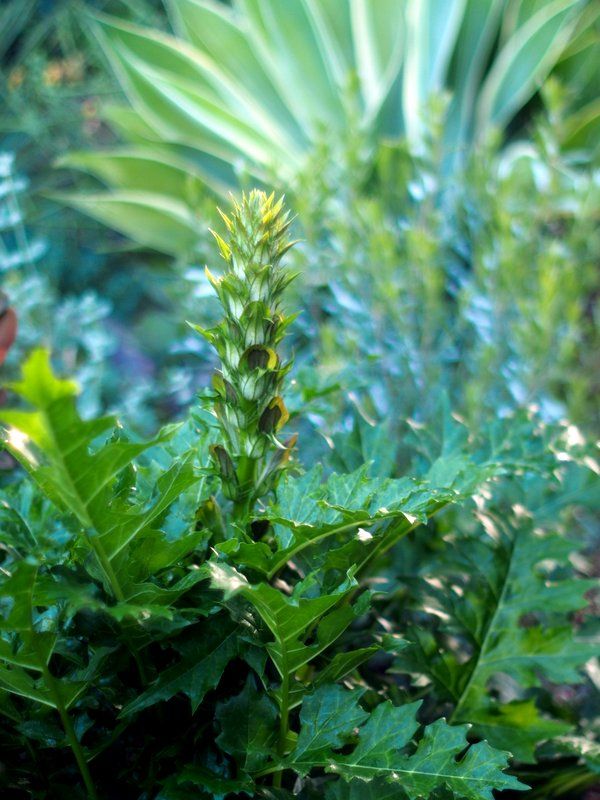
That’s the abbreviated Bloom Day report for August. More thorough chronicles can be found at Carol’s site May Dreams Gardens.

Posted in agaves, woody lilies, Bloom Day | Tagged , , , , | 6 Comments

31st Annual Inter-City Cactus Show & Sale

31st Annual Inter-City Cactus and Succulent Show and Sale
The LA County Arboretum in Ayres Hall
301 North Baldwin Ave, Arcadia, CA 91007
Saturday, August 13, 2016, 9:00 AM – 5:00 PM
Sunday, August 14, 2016, 9:00 AM – 5:00 PM

 photo P1018470.jpg

By a bit of trickery with angles, the stunning bloom of Urginea maritima seemingly belongs to a boophane at a past CSSA show.

 photo 1-P1018157.jpg

A year ago, August 2015. Within days after this photo, Opuntia microdasys was chewed into disfigurement by a worm I failed to notice in time.
Before the worm, it kinda looked like two parents herding a gaggle of opuntia kids, didn’t it? That’s dad pointing to the left.
But the gymnocalycium is in bloom again. Purple echinocereus looks exactly the same.
I think I’ll pass on the opuntias for now. But the best part of the Inter-City shows and sales is you never know what you’ll find that speaks to your plant-loving soul.
Hope to see you there.

Posted in agaves, woody lilies, plant sales, pots and containers, succulents | Tagged , , , , | 7 Comments

a week in plants, continued

I so rarely document thoroughly, before and after, that I thought for once I’d push back a little against those slacker tendencies. This small project is an easy place to start. In the last post, there were four ‘Cousin Itt’ acacias added under the fringe tree, and that was theoretically the end of it. Where we left off, I was going to leave space open to sweep in the leaves and not plant bromeliads because it’ll be messy with the tree litter, etc., etc. I am so full of shit, it still astounds me. No way can I leave something half-planted like that. In for a penny, in for a pound, always. So this morning the burning question was: What other dry shade-tolerant stuff do I have lying around?

 photo 1-P1012918.jpg

There’s this huge potted Lomandra ‘Breeze’ that can be sawed into two big clumps. Rough treatment, but I seriously doubt one can mistreat a lomandra. We’ll see. A potted Asparagus retrofractus to billow between the two lomandras, all kind of hitting the same shade of bright green so the mix of plants isn’t too patchwork. A few bromeliads for big crazy colorful rosettes, tree litter be damned. As shallow growers, it’s easy to change your mind with bromeliads. I’ll probably remove them before they get buried in leaves over winter.

 photo 1-P1012908.jpg

Still too bare for my taste, but if the acacias like it here they can get over 4 feet across.

 photo 1-P1012911.jpg

This no ID rhipsalis seems to be growing in an upright clump, so it gets to be the fifth “acacia.” Very root-infested soil in this spot.

 photo 1-P1012912.jpg

A ringer for the acacia, right?

 photo 1-P1012915.jpg

Lost the name of the foreground bromeliad I’ve had for years.

 photo 1-P1012907.jpg

Neoregelia ‘Dr. Oesser Big Spots’ was brought home this weekend from the sale/show at Rainforest Flora in Torrance.

 photo 1-P1012906.jpg

Neoregelia ‘Martin’

Aechmea 'Samurai' photo 1-P1012903.jpg

One of the many gorgeous bromeliads at the weekend show that didn’t come home with me, Aechmea ‘Samurai.’ If only I’d had this planting scheme before the sale. Overplanning has never been my strong suit. It’s always been spontaneity or bust.

 photo 1-P1012921.jpg

I tucked a potted variegated monstera, also from Rainforest Flora, behind the asparagus against the fence, but there may be too much slanting afternoon sun for it. If the sun isn’t too strong, I’m going to check into espaliering it against the fence.

 photo 1-P1012930.jpg

Fatsia japonica ‘Spider’s Web’ marks the new planting for wayward paws that have been used to digging here and kicking up leaves.
I’ll keep you posted on the fate of this little acacia experiment.

Posted in journal, Plant Portraits, plant sales, pots and containers | Tagged , , , , , , , , , | 9 Comments

a week in plants

Last week was a good one for plants. I finally found some Acacia ‘Cousin Itt’ in small sizes, under $10 each, to plant under the Chinese Fringe Tree. (Chionanthus retusus, as distinguished from our native Chionanthus virginicus.) This great, mediumish-sized tree grows in a rough square on the east side of the house, hemmed in by hardscape on all sides.


 photo 1-P1018520.jpg

This photo from September 2015 shows how I typically mass pots on the hardscape surrounding the tree, which casts some welcome filtered shade for summer. Keeping the base unplanted has been the easiest way to go as far as cleaning up after the tree. (All the best things shed, i.e., trees, dogs, cats.) I just sweep the copious amounts of leaves/berries/spent flowers back under the tree and then raid the precious stuff when needed for mulch elsewhere in the garden. But then this vision of ‘Cousin Itt’ thriving in the dappled light of the fringe tree kept threatening to upend my pragmatic approach, and ultimately I just couldn’t shake it. I know, I’m weak that way. There’s too much constant debris for bromeliads to make sense under the tree, but I’m hoping I can gently rake through ‘Cousin Itt’ or give it a shake now and then.
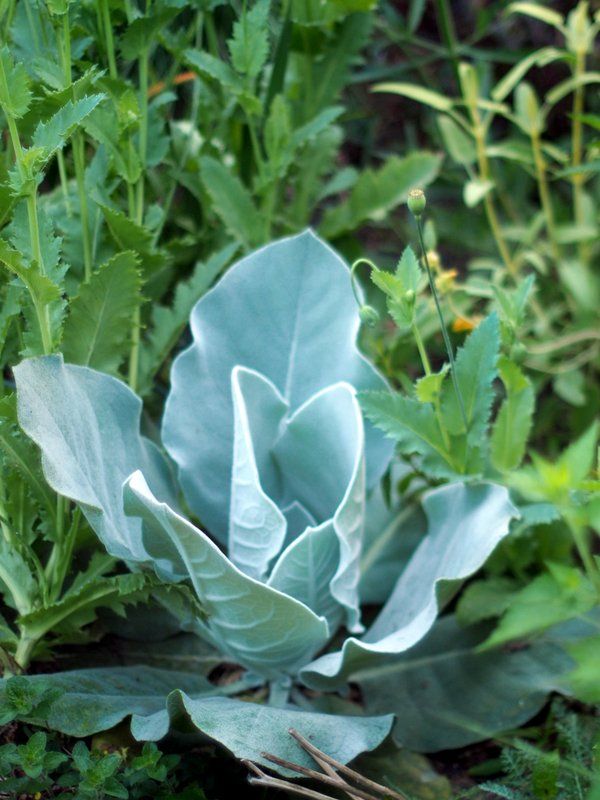
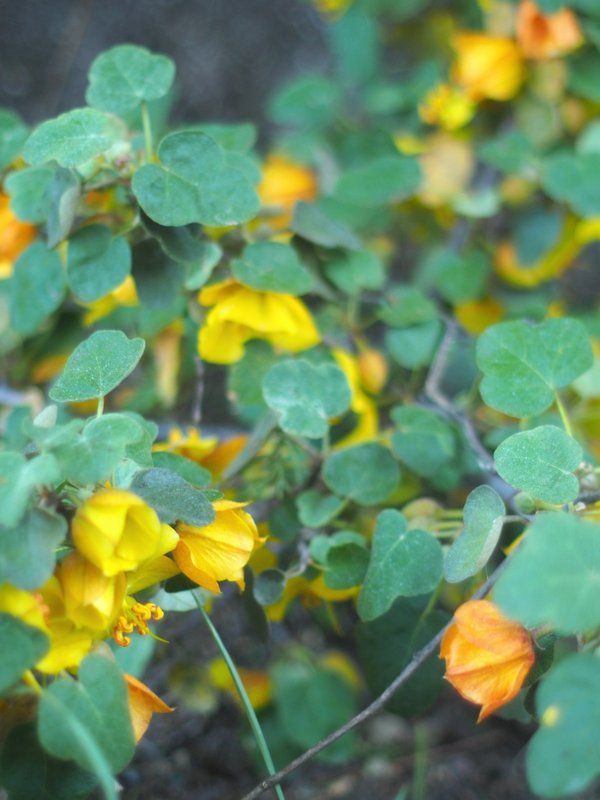
 photo 1-P1012859.jpg

One of the four new Acacias ‘Cousin Itt.’ I need at least three more. I’ve been wanting to try this acacia out for ages. It’s just not been available for under $40, so four for that price, even if in 6-inch pots, felt like the breakthrough I’ve been waiting for. Hurray for expensive plants in affordable sizes. It’s always fabulous in a container, but my vision required its green shagginess to ring the base of the tree. And there will still be access available for the broom to do its work. As with any planting in dry soil, you move the odds substantially in your favor by filling the planting hole several times with water before settling the plant into its new home.

 photo 1-P1012848.jpg

These Celosia caracas ‘Scorching’ came home the same day as the acacias. I’ve been planting throughout summer, but wouldn’t consider putting these in the ground in August. They prefer steady moisture and rich soil, so I planted two in a big 5-gallon nursery can, where I can easily top them off with the hose. Oddly enough, I had just fired off an order to Annie’s Annuals & Perennials, and included in that order was another celosia, ‘Cramer’s Amazon.’ The order was mainly to get ahold of Rudbeckia triloba again. August is the best time to get biennials started, either from seed or plants if you can find them.
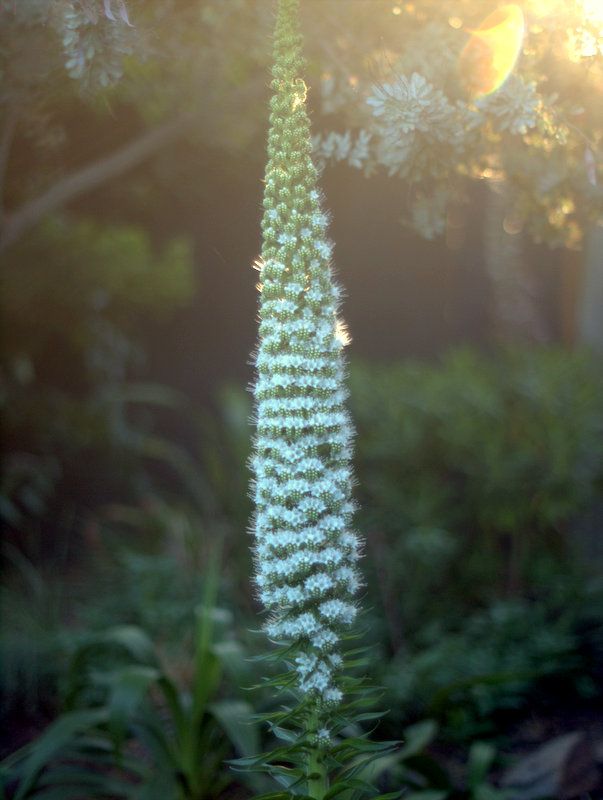
 photo jardin-de-Guadalajara-3.jpg

photo from Fernando Martos’ website. The bearded iris is ‘Syncopation’

Something else to order in August are bearded iris, a plant I’ve run hot/cold over for some years. Noel Kingsbury wrote about garden designer Fernando Martos‘ approach to Spanish gardens for Gardens Illustrated, July 2016: (“The typical Mediterranean garden is very static, it never changes. I want to make gardens that appear different every time you look at them.”)

I feel the same way. Summer wouldn’t be the same without transient poppies and spears and thistles surging skyward amidst the more permanent agaves and shrubs. Seeing how Martos dotted bearded iris throughout low-growing, dry garden shrubs like lavender had me checking iris suppliers online before finishing the article.

 photo P1014602.jpg photo P1014603.jpg

But be warned, it’s generally a very fleeting effect, a matter of weeks. Personally, I’m beginning to appreciate fleeting effects more and more. I last grew them in April of 2014. My style of overplanting tends to swamp their crowns, which require full sun to build up energy for the next year. But there’s no harm in trying again, is there?

Photobucket

Fleeting effects aside, when ordering bearded iris, I always get hung up on the issue of rebloom. There are a handful of varieties that are said to reliably rebloom in Southern California. The pink ‘Beverly Sills’ is one of them, and there’s more included in a list here. So it seems foolish not to order a potential, if not guaranteed, rebloomer, right? But the reblooming varieties are nowhere near as exciting as, for example, ‘Syncopation’ which blooms just once. I did find a couple bicolored varieties at Schreiner’s that supposedly rebloom. No guaranties. (‘Jurassic Park’ and ‘Final Episode’)

 photo P1014493.jpg

Something to add to your Things To Do in August list: If you care to have them next year, order bearded iris now!

Posted in clippings, design, plant nurseries, Plant Portraits | Tagged , , , , , | 10 Comments

In a Vase on Monday, (courtesy of the OG)

 photo 1-P1012782.jpg

Peter/Outlaw Gardener, that indefatigable daily blogger and all-around nice guy, raffled off some vases recently.

 photo 1-P1012776.jpg

(And look who’s a winner!)

 photo 1-P1012801.jpg

I found this fat little echeveria in the front garden and unceremoniously pulled him up by the roots to welcome Peter’s vase.
(Thanks to Cathy at Rambling in the Garden for hosting In a Vase on Monday.)

 photo 1-P1012812.jpg

A vase that mimics a Notocactus magnificus doesn’t need much accompaniment, but I dragged some stuff off the mantle for the occasion.
This dried bloom of an Allium schubertii has lasted eons. The little green pedestal vase came home with me a few weeks ago.

 photo 1-P1012813.jpg

The bulb in the garden disappeared long ago. There’s not enough winter chill in zone 10 for this allium to thrive here.

 photo 1-P1012807.jpg

Thank you so much, Peter! And one raffle deserves another, though I doubt I can find something as worthy as your vase. I’ll have to give it some thought.

Posted in Bulbs, cut flowers, pots and containers, succulents | Tagged | 10 Comments

bromeliads for hanging planters? (yes!)

A lot of my bromeliads swing from on high now.

 photo P1011333.jpg

And it all started with an act of generosity back in January of 2014. A gift from Reuben, after our joint flea market venture. (It’d be fun to plan another flea market escapade for winter, or maybe a pop-up shop. But these are plans for cooler weather.)

 photo P1011992.jpg

At first a single bromeliad, Aechmea recurvata ‘Aztec Gold,’ made its home here. (Nice to see that yucca and coronilla again, both plants that have moved on, leaving behind progeny that pop up from time to time.)

 photo P1014257.jpg

I bet you know where this is going. When have I ever left well enough alone, or been a one-bromeliad-per-sphere person, so to speak? By April 2014 there were two.

 photo 1-P1016997.jpg

By June of 2015, there was lots of company.

 photo 1-P1012739.jpg

 photo 1-P1012732.jpg

 photo 1-P1012729.jpg

It’s actually been thinned out a little since 2015. Some of the bromeliads grow too large and get moved out into pots.

 photo P1019618.jpg

There are terrestrial, ground-dwelling bromeliads, which can get enormous like the alcantareas, and epiphytic, tree-dwelling bromeliads. Although I didn’t know it at the time, that first aechmea was a good choice, being an epiphytic bromeliad, with roots adapted to clinging to trees.

 photo P1011436.jpg

Now you know as much as I do about these plants with the fabulously plasticine, kaleidoscopic leaves and flowers as colorful as tropical birds. Like succulents, these are forgiving plants that don’t punish ignorance. A more organic approach than my sphere is an option, as seen in this example in the cloud forest section of the Huntington Botanical Garden’s conservatory. Bromeliads are mossed and fixed to the branch by florist wire or fishing line (further instructions here).

 photo P1010013.jpg

There are thousands of species of bromeliads, pretty much all of them native to Central and South America (the neotropic ecozone.) Some of the more familiar are the ones we make upside-down cakes with (pineapples) and the wildly popular air plants/tillandsias.

 photo P1015152.jpg photo P1015150.jpg

Some enthrallingly kinetic examples of tillandsias from local nurseries and plant shows.

Photobucket

Rest assured, there are great minds out there applying themselves to devising methods for displaying tillandsias. Above is the Airplantman Josh Rosen’s Airplant Frame seen at Big Red Sun in Venice. Seth Boor in collaboration with Flora Grubb designed the Thigmotrope Satellite.

 photo P1010528.jpg

Another hanging arrangement with tillandsias from my garden. I incorporated most of these into the sphere.
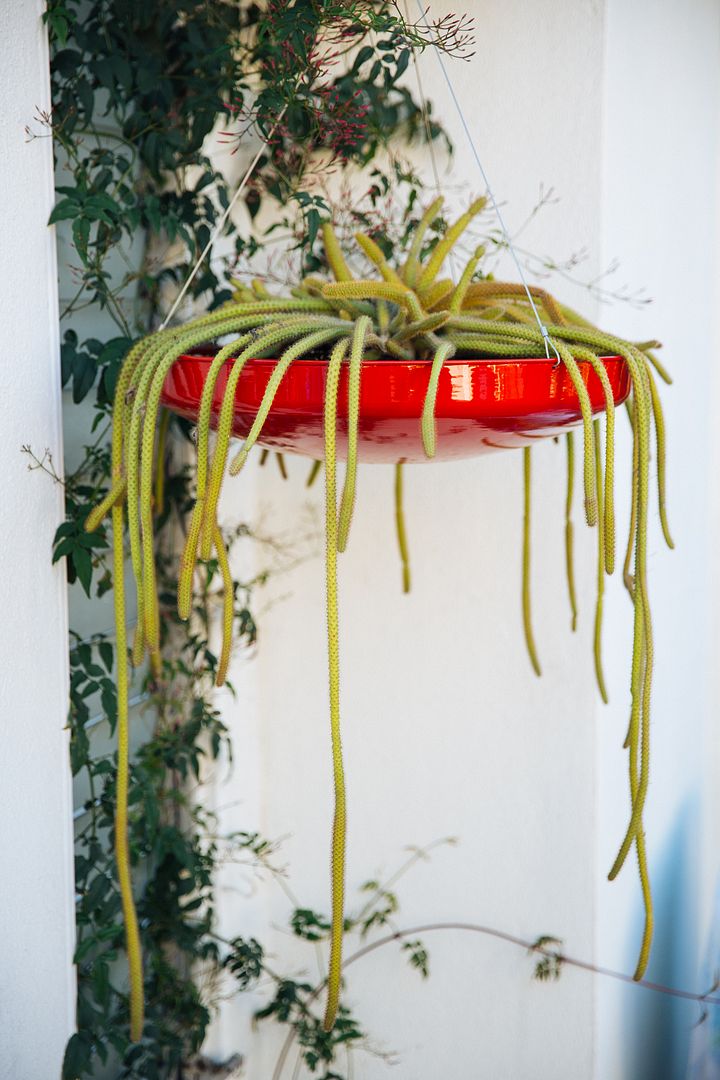
 photo 1-P1012741.jpg

The takeaway here is, this growing arrangement has legs. The plants thrive on very little input from me. For truth be told, for all my enthusiasm, I am not the most technically gifted plant caretaker. Requiring little soil, mostly just moss, tolerant of dryish conditions, appreciating a refreshing spritz with the hose once a week. And that’s it.

 photo 1-P1010845.jpg

In fact, the care for shade-tolerant succulents and bromeliads is so similar that I combine them in shallow planters.

 photo 1-P1012763.jpg

As rain forest understory plants that can absorb nutrients and moisture through their leaves, I’ve always assumed, for Los Angeles, shade is the safest best. But some bromeliads can tolerate a surprising amount of sunlight, as long as it’s not strong afternoon sunshine. I’m trying out a few under an acacia tree with grasses. The best leaf color is obtained by exposure to as much sun as can be tolerated without leaf burn. There are surer ways of sorting out light requirements for the different species, of course, like consulting a reference book. “Bromeliads for the Contemporary Garden,” which I haven’t read, looks promising.
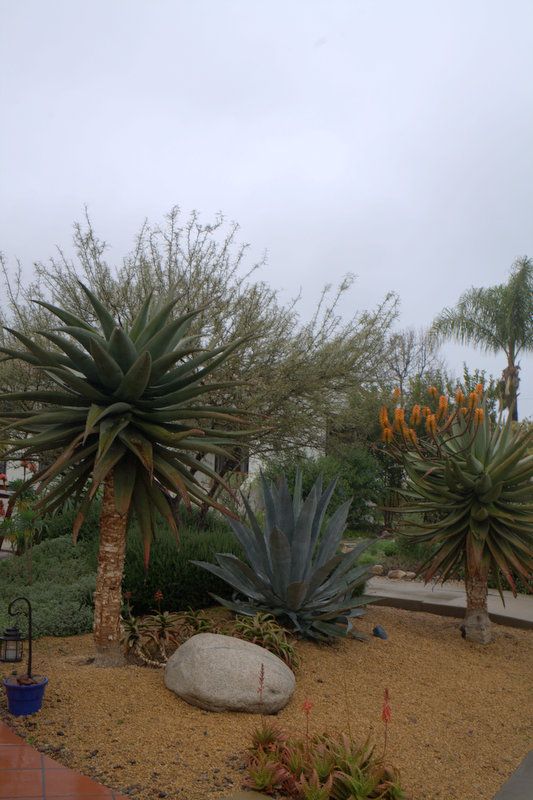
Nice-sized specimens, however, do not come cheap. I like looking for deals on small pups at bromeliad shows, like the upcoming show August 6th & 7th at Rain Forest Flora in Torrance.

You don’t happen to have a sphere lying around? What the heck, it’s mid summer. Go ahead and treat yourself. Salvage yards are full of interesting possibilities. And Terrain offers a very similar Hanging Planter here. Potted’s Hedge Hanging Planter would work just as well. Or get to work with a branch and some fishing line. I’ve got an empty hayrack that I’d love to see overflowing with bromeliads. More images of bromeliads from AGO can be found here.

 photo P1015635.jpg

Posted in commerce, design, garden ornament, pots and containers | Tagged , , , , , , , , , , , , , | 14 Comments